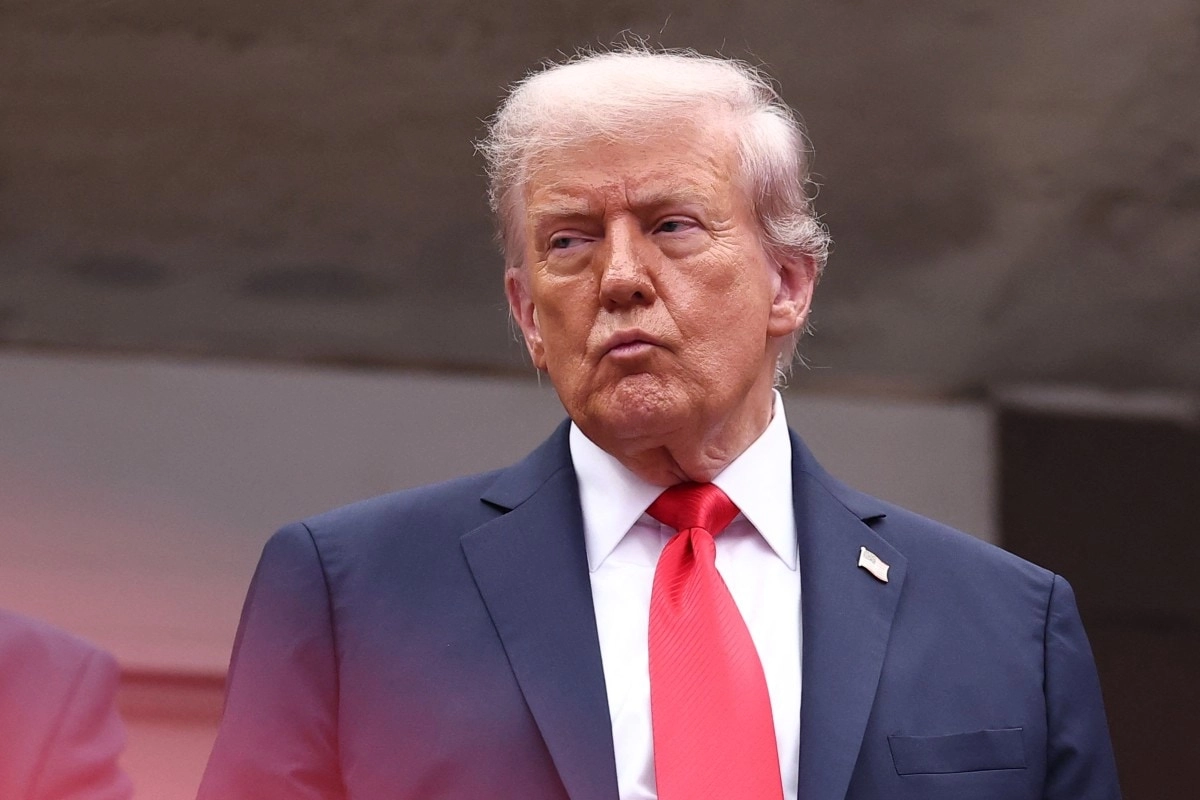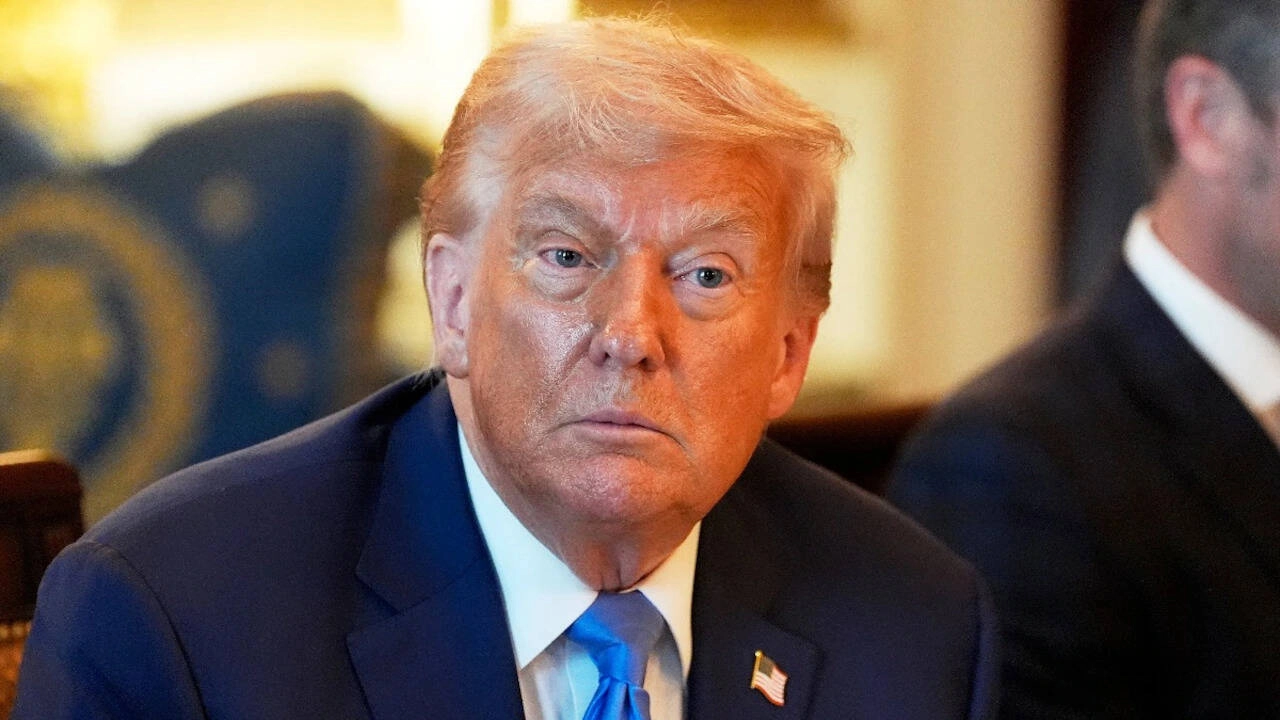
The Iranian state television has issued a stark warning to former U.S. President Donald Trump, stating, “This time, we won’t miss our target.” This statement comes amid heightened tensions between the United States and Iran, particularly concerning the latter’s nuclear program and its regional activities. The threat reflects the ongoing animosity and confrontations between the two nations, with Iran indicating its readiness to take decisive action if provoked.
The timing of this warning is particularly significant, as it follows recent developments in the geopolitical landscape. The U.S. has been critical of Iran’s advancements in nuclear technology, leading to a series of sanctions and diplomatic efforts aimed at curtailing its influence in the Middle East. Trump’s presidency was marked by a hardline approach towards Iran, including the withdrawal from the nuclear deal in 2018, which has since led to escalating tensions.
As the current political climate continues to evolve, the question arises: how will President Joe Biden respond to these threats? Biden has expressed a desire to return to diplomatic negotiations with Iran, aiming to reinstate the agreements that were in place before Trump’s administration. However, the open threat from Iran poses a complex challenge for the Biden administration, as it must balance diplomatic efforts with the need to maintain national security and international stability.
The implications of such statements from Iran could also affect U.S. relations with its allies in the region. Countries like Israel and Saudi Arabia, who view Iran’s nuclear ambitions as a direct threat, may push for a more aggressive stance from the U.S. government. As tensions simmer, the international community watches closely, eager to see how this situation unfolds and what measures will be taken to avert a potential crisis. The coming days may prove crucial in determining the trajectory of U.S.-Iran relations and the broader dynamics in the Middle East.