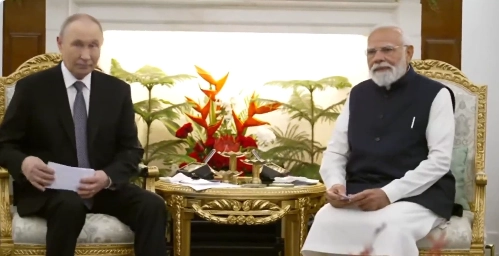
In recent weeks, Prime Minister Narendra Modi has captured the attention of social media users in India, particularly on the platform X, formerly known as Twitter, with a series of highly engaging posts. Among the most notable was his welcome address to Russian President Vladimir Putin during their recent meeting, which showcased India’s diplomatic stance and Modi’s emphasis on strengthening international relations. This post not only highlighted Modi’s leadership but also resonated with the audience, reflecting the importance of global partnerships in today’s interconnected world.
Additionally, Modi’s post celebrating the consecration of the Ram Mandir through the Dhwajrohan ceremony has become one of the most liked posts on X. The Ram Mandir, a symbol of faith for millions, represents a significant cultural and religious landmark in India. By sharing this momentous occasion, Modi tapped into the deep emotional connections that many Indians have with the temple, further solidifying his position as a leader who understands and engages with the spiritual sentiments of the populace. The overwhelming response to this post illustrates the powerful impact of cultural events on social media engagement and public sentiment.
The combination of Modi’s diplomatic efforts and cultural celebrations reflects a broader trend in Indian politics, where leaders leverage social media to communicate directly with the public. Modi’s adept use of X highlights his understanding of the platform’s dynamics and the importance of connecting with citizens on issues that matter to them. As he continues to dominate social media conversations, it becomes clear that his approach transcends traditional political communication, effectively blending governance with cultural pride and international diplomacy. Through these strategic posts, Modi not only reinforces his image but also shapes the national narrative in a way that resonates with diverse segments of the Indian population.