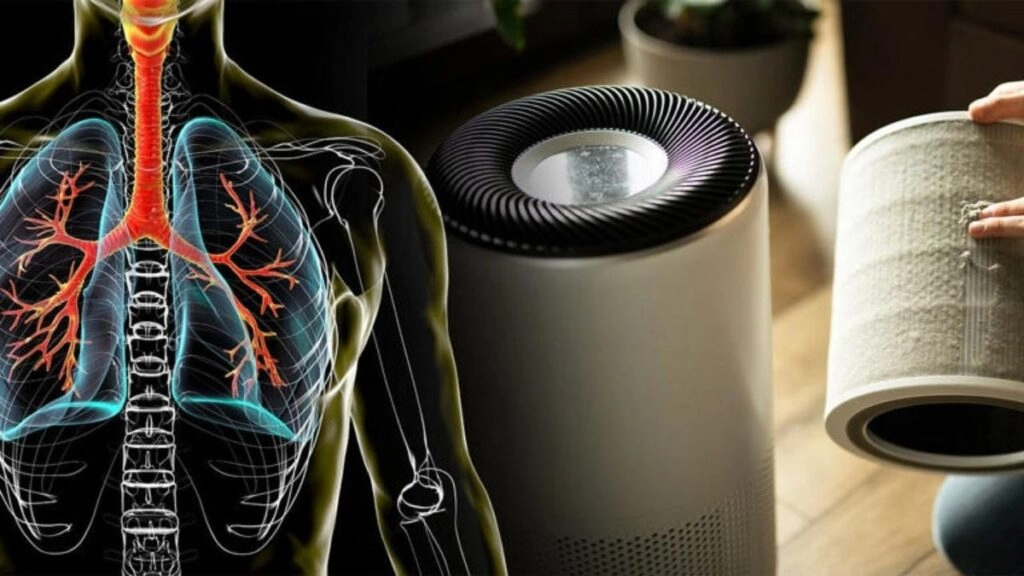
Recent warnings from healthcare professionals have raised concerns about the potential risks associated with certain air purifiers. An esteemed doctor from the All India Institute of Medical Sciences (AIIMS) has alerted the public that some air purifiers might inadvertently contribute to indoor air pollution rather than improving it. This revelation is particularly alarming for individuals who rely on these devices to enhance their living environment and safeguard their lungs from harmful pollutants.
The issue lies in the type of air purifiers that utilize certain filtration systems or technologies that can release harmful byproducts into the air. While many air purifiers are designed to trap dust, allergens, and other particulate matter, some models can produce ozone or other harmful compounds as a byproduct of their operation. Ozone, in particular, is known to have detrimental effects on lung health, potentially exacerbating respiratory issues and leading to long-term damage.
As people become increasingly aware of air quality and the importance of maintaining a healthy indoor environment, it is crucial to choose air purifiers carefully. Consumers should be informed about the specifications and technologies used in these devices to ensure they do not inadvertently introduce more pollutants into their homes. The advice from the AIIMS doctor serves as a reminder to prioritize safety and efficacy when selecting an air purification system, underscoring the need for thorough research and consideration of the health implications associated with these products.