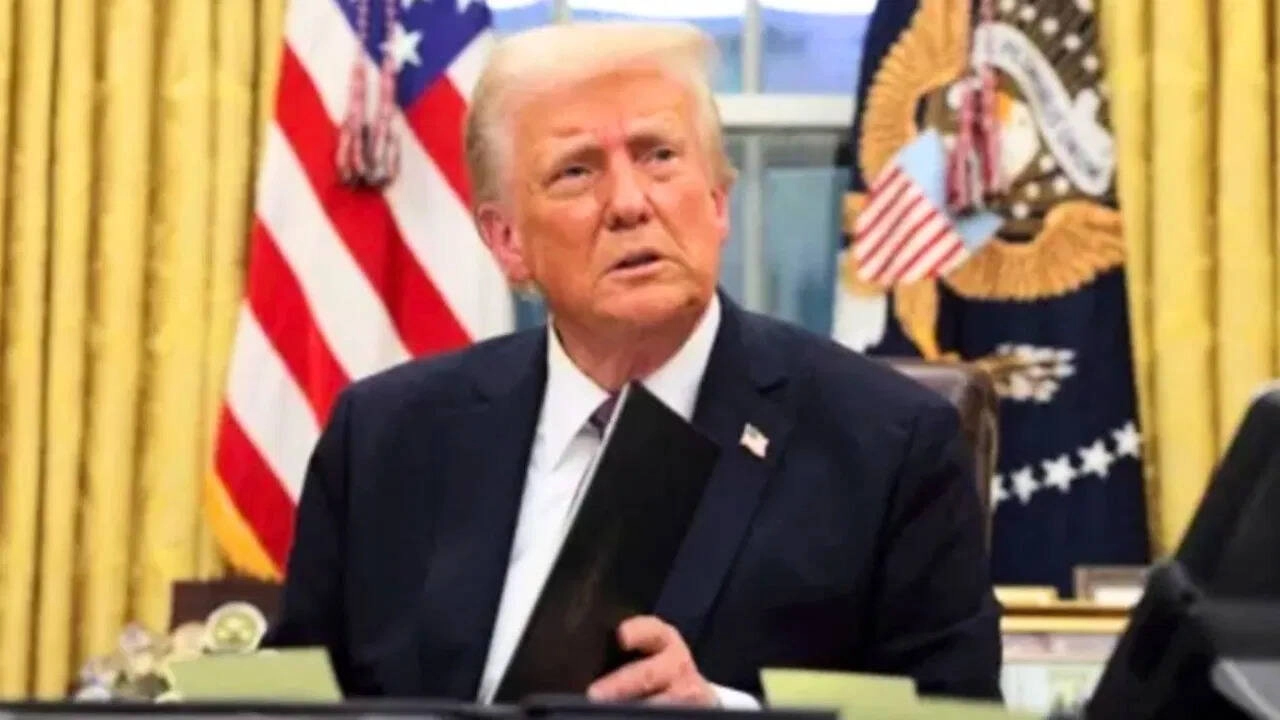
After Iran, who is the next target? This question has gained significant attention following statements made by former President Donald Trump. His remarks have reignited discussions about the longstanding enmity that the United States has faced with various nations over the past several decades. The tension with Iran, which has persisted for 67 years, has set a precedent for how the U.S. handles its foreign relations, particularly in the Middle East.
Trump’s comments have prompted analysts and political observers to speculate about which country might be next on the U.S. administration’s radar. Historically, the U.S. has had contentious relationships with several nations, including North Korea, Venezuela, and Cuba, each defined by unique political and ideological conflicts. The re-emergence of these discussions raises concerns about potential military actions or sanctions that could follow, reminiscent of the strategies employed during Trump’s presidency.
The implications of targeting another nation could be far-reaching, affecting not only international relations but also global economic stability. Countries that have been historically adversarial toward the U.S. may respond with their own measures, leading to a cycle of retaliation that could escalate tensions further. The geopolitical landscape is already fraught with challenges, and any indication of a new target could destabilize regions already experiencing turmoil.
Moreover, the public’s sentiment regarding military interventions has evolved, with many citizens advocating for diplomatic solutions rather than aggressive tactics. As discussions around the next target unfold, it is essential to consider the historical context of U.S. foreign policy and the potential consequences of repeating past mistakes. The dialogue surrounding Trump’s statements serves as a reminder of the delicate balance that must be maintained in international affairs, where the stakes are high and the outcomes uncertain.