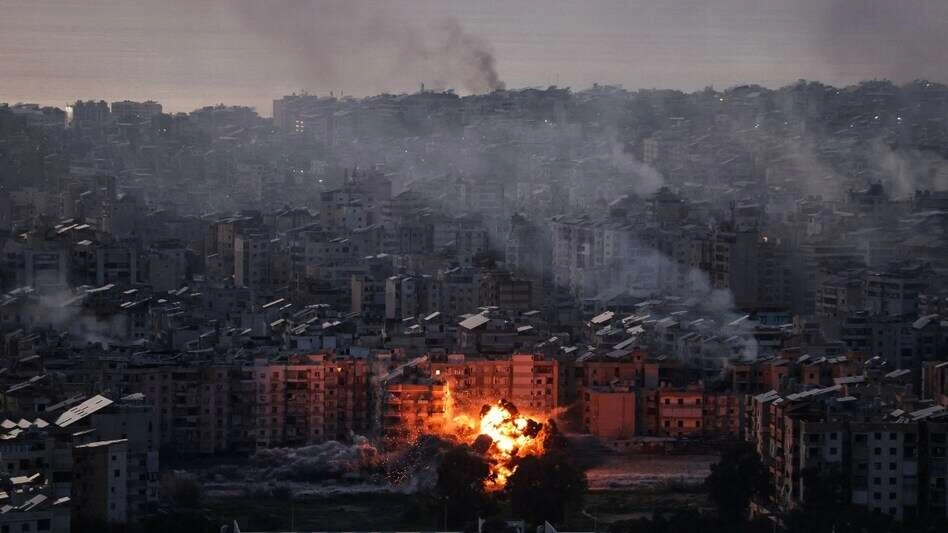
In the context of escalating tensions in West Asia, the recent military actions by the United States have sent shockwaves through Tehran, prompting a significant response from Iran. The situation has reached a critical juncture as Iran has once again decided to close the strategic Strait of Hormuz. This crucial waterway, which is a vital channel for global oil shipments, has become a focal point of geopolitical conflict, and its closure could have far-reaching implications for international energy markets and regional stability.
The U.S. attacks, which are perceived as aggressive maneuvers in the region, have intensified Iran’s concerns about its national security. In response to the perceived threat, Iranian authorities have taken measures to assert control over the Strait of Hormuz, signaling their willingness to safeguard their interests at all costs. The closure of the strait not only affects Iran’s economic stability but also poses a challenge to global energy supplies, as a significant portion of the world’s oil passes through this narrow passage.
As tensions continue to simmer, the international community watches closely. The potential for conflict in West Asia raises alarms among neighboring countries and global powers alike. Analysts are concerned that prolonged hostilities could lead to a larger military confrontation, with dire consequences for the entire region. The interplay between military actions and diplomatic efforts will be crucial in determining the future of security and stability in West Asia, as both sides grapple with the complexities of their geopolitical ambitions.
In conclusion, the situation in West Asia remains precarious as the United States and Iran find themselves at an impasse. The closure of the Strait of Hormuz serves as a stark reminder of the delicate balance of power in the region and the potential for escalation. As both nations navigate these turbulent waters, the focus will remain on finding a diplomatic resolution to prevent further conflict and ensure the safety of vital trade routes.