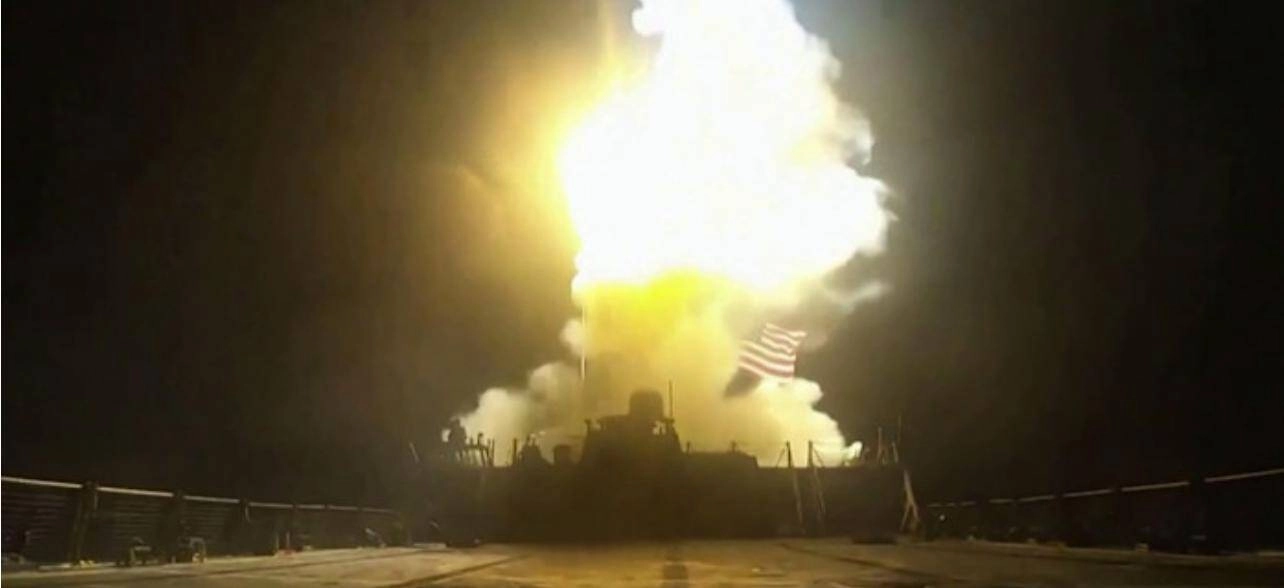
The United States has continued its military operations against Iran for the ninth consecutive night, targeting missile fields and military installations. This escalation of conflict underscores the ongoing tensions between the two nations, which have been exacerbated by various geopolitical factors. The U.S. has stated that these strikes are necessary to safeguard its interests in the region and to deter Iranian aggression.
Footage released from the conflict zones has shown the intensity of the attacks, and reports indicate that there have been casualties among both military personnel and civilians. Particularly alarming is the confirmation of the death of an American soldier during these operations, highlighting the risks involved in such military engagements. The loss of life raises questions about the strategic objectives of the U.S. actions and their potential consequences for diplomatic relations with Iran.
As the situation unfolds, it is critical to assess the implications of these military actions on regional stability. The ongoing hostilities could have far-reaching effects on not only U.S.-Iran relations but also on the broader Middle East landscape. Analysts are closely monitoring the developments, as they could lead to further escalations or even a potential resolution if diplomatic channels are pursued. The international community is urged to pay attention to these events, as they may have significant repercussions for global security dynamics.