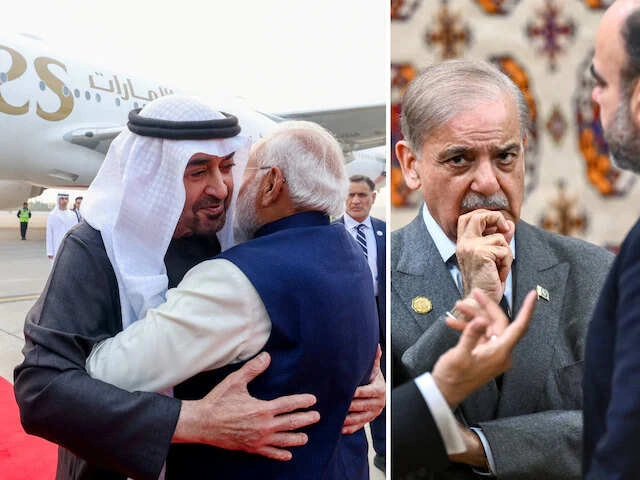
The United Arab Emirates (UAE) has officially terminated its operational deal concerning Islamabad International Airport, a decision that comes amidst significant geopolitical developments in the region. This move has sparked various interpretations and speculations, particularly in connection with India’s recent diplomatic initiatives and visits. Analysts are closely examining the implications of this decision, as it may reflect broader shifts in regional alliances and economic strategies.
The termination of the operational deal at Islamabad International Airport can be seen as a strategic maneuver by the UAE, which has been actively seeking to enhance its influence in South Asia. This decision coincides with a period of heightened diplomatic activity from India, particularly in strengthening its ties with various nations. The timing raises questions about the UAE’s objectives and whether this decision is linked to India’s foreign policy maneuvers or its evolving relationships with other countries in the region.
Furthermore, this development could have repercussions for the aviation sector in Pakistan, as the UAE has been a significant player in managing operations at the airport. The end of this operational agreement may lead to challenges in airport management and passenger services, potentially impacting travel and trade in the region. As the situation unfolds, both countries will be watching closely to see how this decision affects their bilateral relations and the broader geopolitical landscape in South Asia.
In summary, the UAE’s decision to end its operational deal with Islamabad International Airport is a significant event that merits attention. It not only reflects the changing dynamics in the region but also highlights the interconnectedness of diplomatic relations and economic interests among countries. As stakeholders assess the implications of this move, it will be crucial to monitor developments in India and Pakistan’s interactions, as well as the UAE’s future strategies in South Asia.