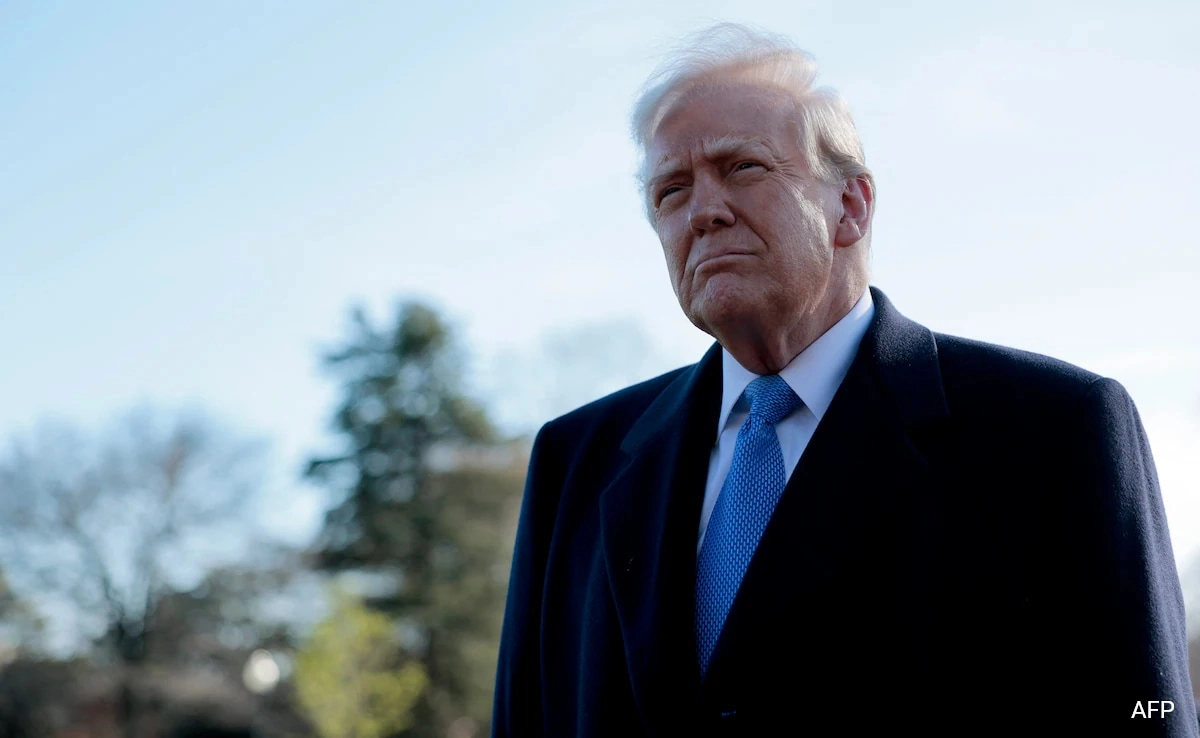
Donald Trump’s troubles in America have intensified, particularly as NATO appears to be distancing itself from his administration’s policies. The geopolitical landscape is shifting, and this could have significant implications for U.S. domestic and foreign policy. One of the major concerns is the potential for conflict with Iran, as there are ten key indicators that suggest the possibility of war could change the political map not only in the Middle East but also in the United States.
First, the deterioration of relationships with allies, particularly NATO, raises questions about America’s commitment to collective security. As European nations begin to reassess their alliances, the ripple effects could weaken the United States’ position on the global stage. This isolation could embolden adversaries like Iran, which may feel less restrained in pursuing its regional ambitions.
Second, domestic pressures within the U.S. are mounting. As Trump faces increasing scrutiny and challenges to his leadership, the prospect of an external conflict could be seen as a way to rally support. Historically, leaders facing domestic turmoil have often turned to foreign conflicts to unify their base and distract from internal issues. This cyclical pattern raises concerns about the motivations behind potential military action against Iran.
Moreover, the indicators of impending conflict with Iran are becoming more pronounced. Escalating military presence in the region, increased rhetoric from both sides, and the strategic maneuvering of allied forces all suggest that tensions are escalating. If these indicators culminate in an actual conflict, the consequences could reshape political allegiances and power dynamics both in the Middle East and within the United States.
In conclusion, as Trump’s administration grapples with its challenges, the situation with NATO and the potential for war with Iran could lead to significant shifts in the political landscape. The interplay between domestic pressures and international relations will be critical in determining the future direction of U.S. policy. It remains to be seen how these factors will unfold and what impact they will have on both American politics and global stability.