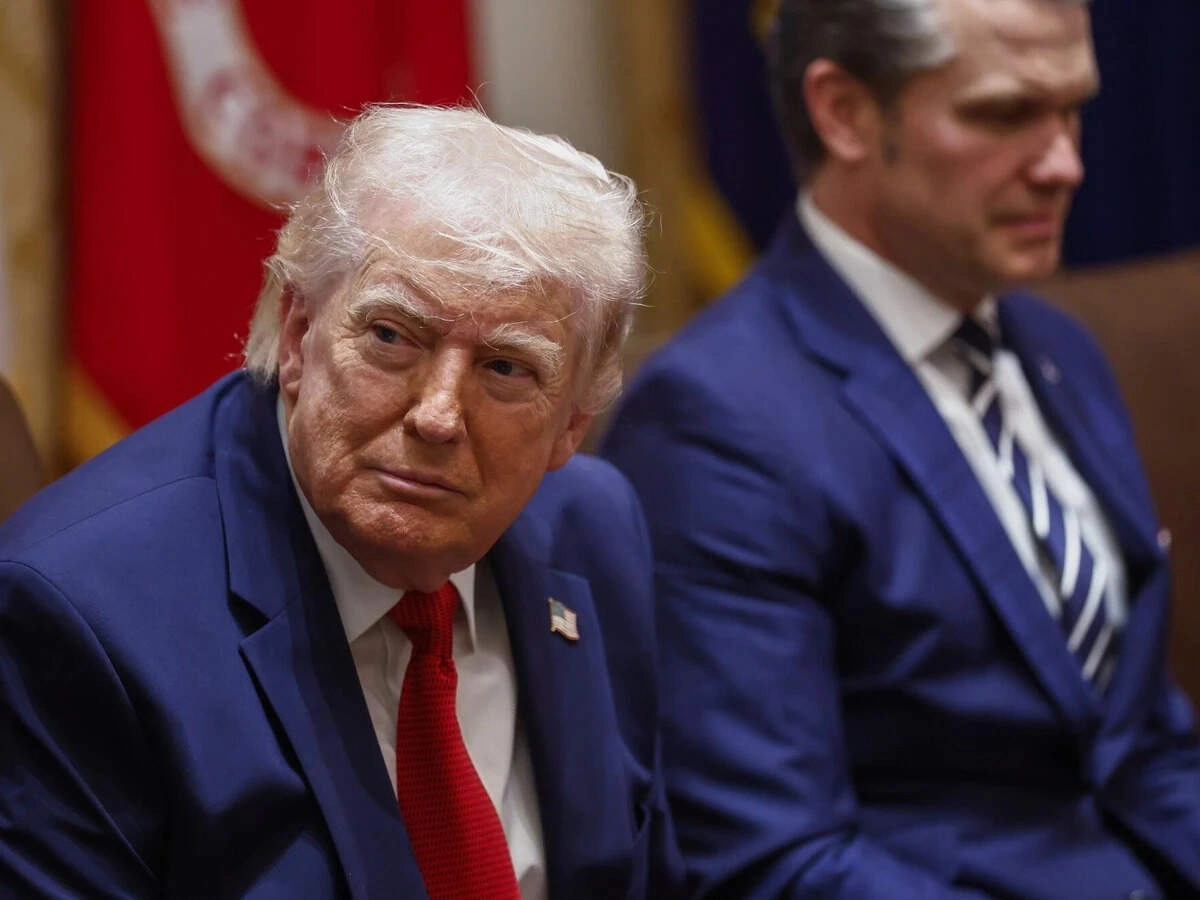
Former President Donald Trump has made a significant decision by postponing military action against Iran for ten days. This announcement comes amid rising tensions in the Middle East and indicates a shift towards diplomatic engagement. Trump expressed his optimism regarding the situation, stating that “the talks are headed in a very good direction.” This statement suggests a willingness to explore alternatives to military intervention, which has been a hallmark of U.S. foreign policy in recent years.
The postponement allows for a window of opportunity to pursue negotiations and dialogue with Iran, which may lead to a peaceful resolution of the ongoing conflicts. It reflects a broader strategy to address issues through diplomatic channels rather than resorting to force. This approach could potentially alleviate the escalating tensions in the region and foster a more stable environment for both the U.S. and its allies.
The decision has garnered mixed reactions. Supporters argue that engaging in dialogue is a more effective way to resolve conflicts and build relationships, while critics caution against trusting Iran, given its history of contentious behavior on the international stage. Nonetheless, the ten-day delay in military action signifies a significant moment in U.S.-Iran relations and highlights the importance of diplomacy in international affairs.
As the situation develops, it will be crucial to monitor how both sides respond to this opportunity for dialogue. The outcome of these discussions could have far-reaching implications for regional security and U.S. foreign policy.