The Strait of Hormuz holds significant historical and strategic importance, making it a focal point of global attention. This narrow waterway, located between Oman and Iran, serves as a crucial passage for oil and gas shipments from the Persian Gulf to international markets. Approximately one-fifth of the world’s oil supply passes through this strait, underscoring its vital role in the global economy. The geopolitical dynamics surrounding the Strait of Hormuz have led to various conflicts and tensions among nations, particularly involving Iran, the United States, and other regional powers.
Historically, the Strait of Hormuz has been a significant maritime route for centuries, with its importance growing during the oil boom of the 20th century. The name “Hormuz” is derived from the ancient Persian city of Hormuz, which was a major trading hub in the region. Over time, the strait has witnessed numerous naval battles and territorial disputes, reflecting its strategic value. Control of this passage has often been a point of contention, as nations vie for influence over the lucrative oil trade that passes through.
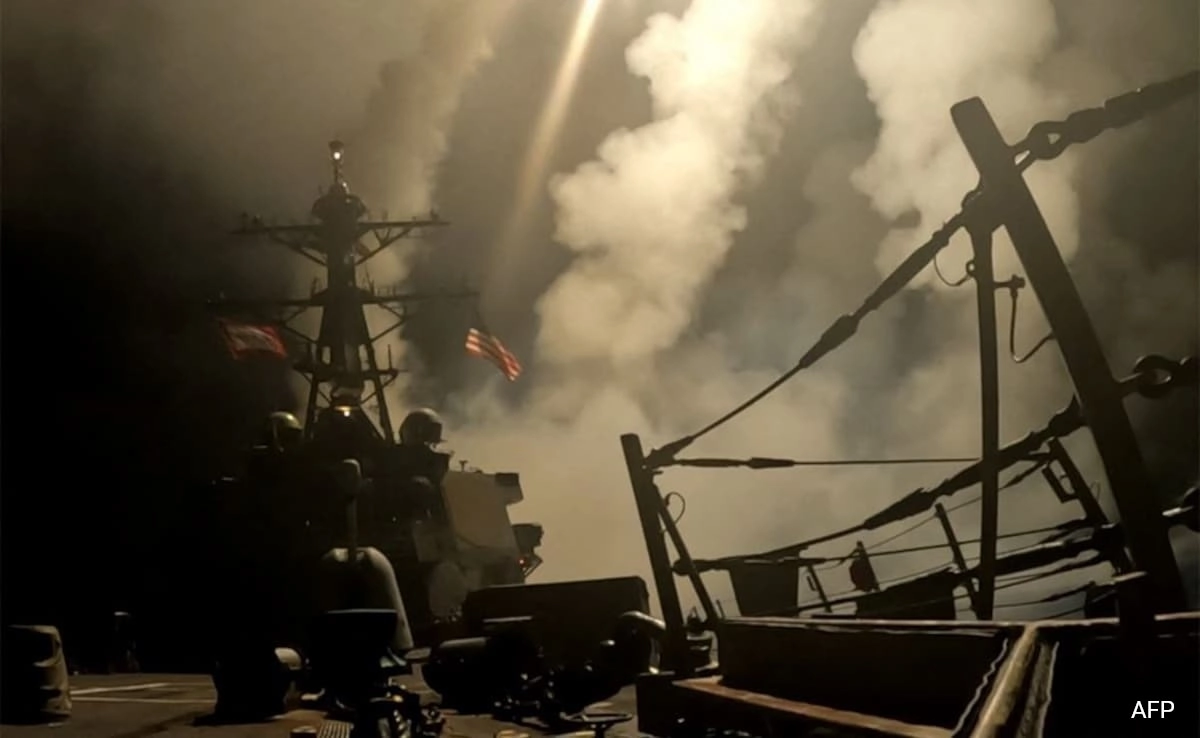
In recent years, the Strait of Hormuz has become a flashpoint for regional tensions, particularly as Iran has asserted its dominance in the area. The Iranian government has threatened to close the strait in response to sanctions and military interventions, raising concerns about potential disruptions to global oil supplies. As a result, the strait’s security has become a priority for many countries, prompting international naval operations to ensure safe passage for commercial vessels. The geopolitical stakes surrounding the Strait of Hormuz highlight its enduring significance in both historical and contemporary contexts.