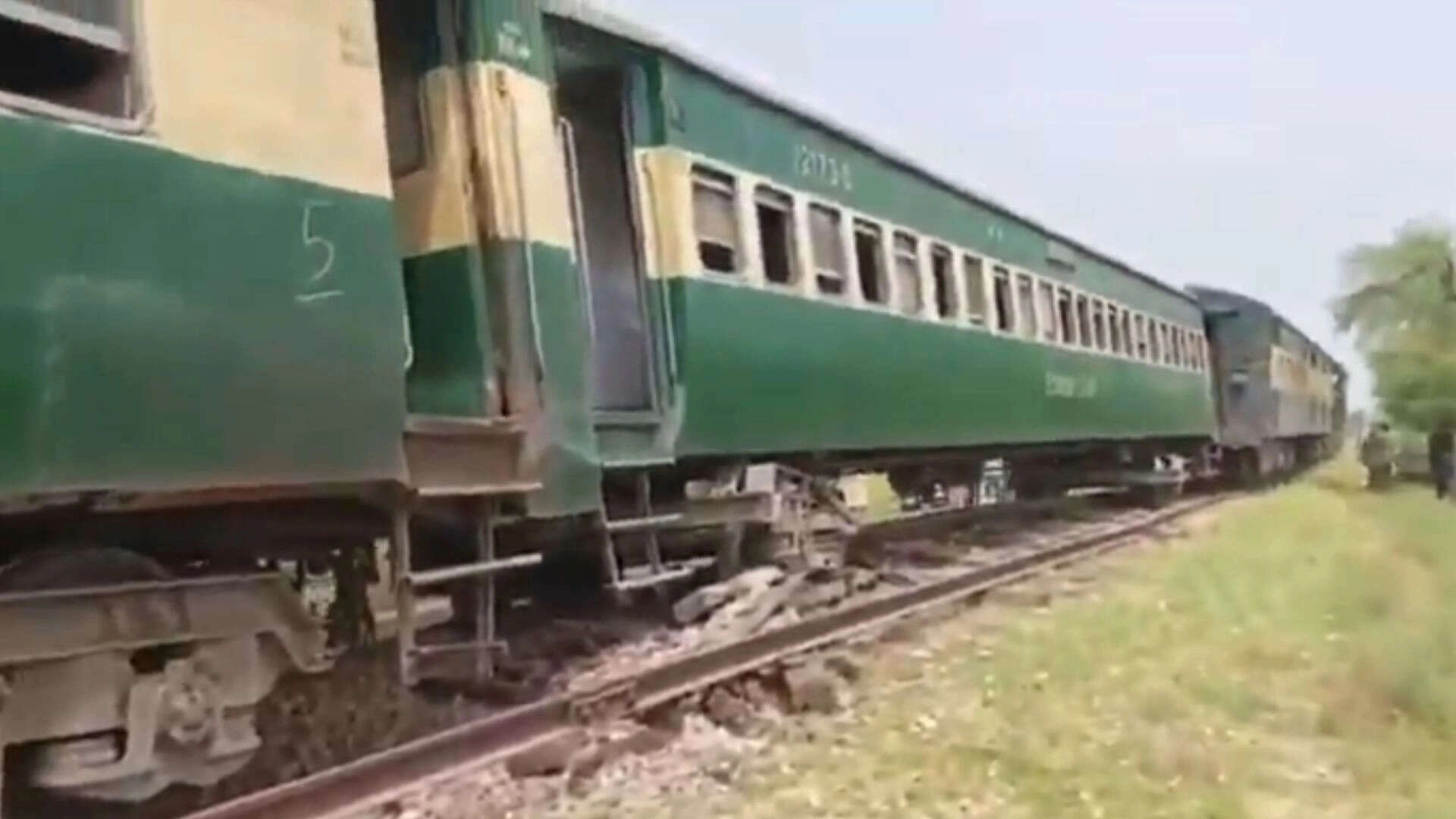
Once again, the Jafer Express became the target of a terrorist attack. This time, the incident involved the destruction of a railway track by Baloch fighters, highlighting the ongoing violence and turmoil in the region. The attack has raised significant concerns about the safety of railway travel and the broader implications for security in areas affected by insurgency and separatist movements.
The Balochistan region has been a hotspot for conflict, with various groups fighting for greater autonomy or independence from the central government. The actions of these fighters reflect the deep-seated grievances within the Baloch community, who have long felt marginalized and oppressed. By targeting infrastructure such as railway lines, these groups aim to send a message and draw attention to their struggles, albeit at the cost of civilian safety and security.
As authorities respond to this latest incident, it is crucial to consider the broader context of the violence in Balochistan. The cycle of retaliation and counter-retaliation between state forces and insurgents often leads to a tragic loss of innocent lives. Efforts to establish peace and stability in the region must address the underlying issues of political representation, economic opportunities, and social justice to create a lasting solution that can break this cycle of violence.