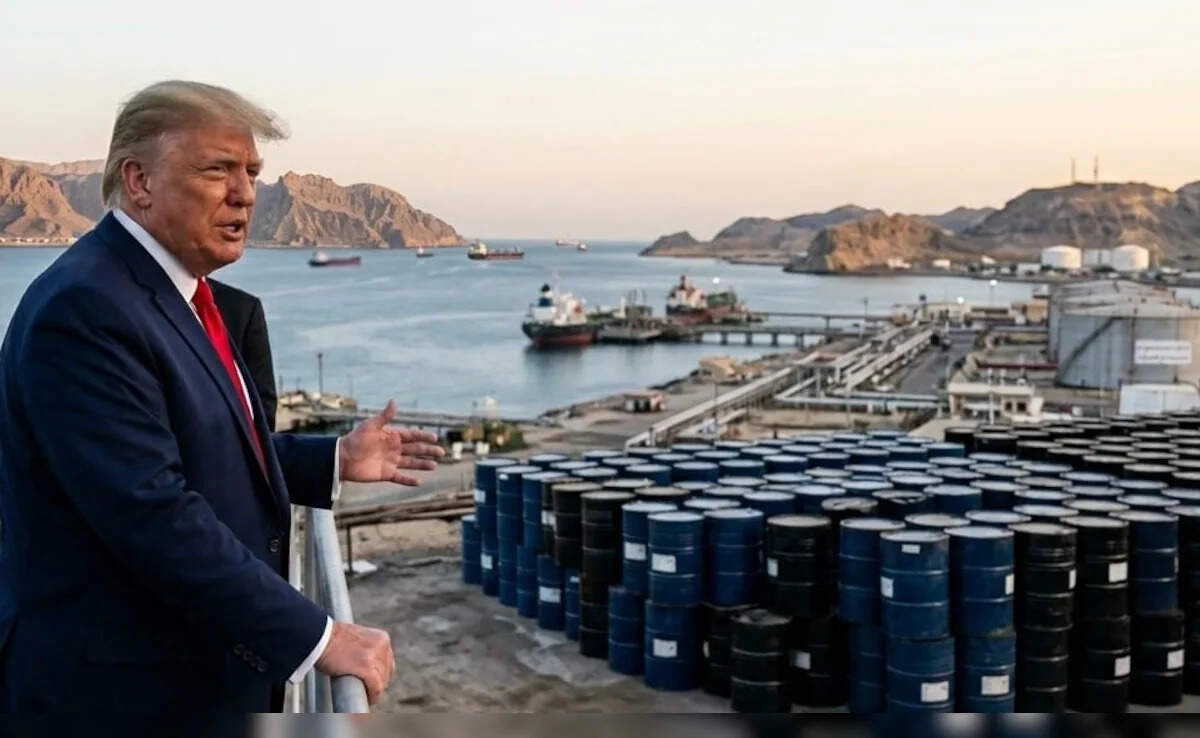
Tensions in the Strait of Hormuz have escalated recently, highlighted by a failed drone attack on Indian vessels. This incident underscores the ongoing geopolitical conflicts in the region, which is a crucial maritime passage for oil transport and trade. The Strait of Hormuz connects the Persian Gulf to the Gulf of Oman, and its strategic importance cannot be overstated, as it sees a significant portion of the world’s oil supply transported through its waters.
In a recent video, the attempted drone attack on the Indian ships was captured, showcasing the precarious situation that maritime operations face in this area. Fortunately, the attack was thwarted, preventing any damage or loss of life. Such incidents not only threaten the safety of maritime crews but also have broader implications for international trade and regional security. The presence of various military forces and the risk of hostile actions create an atmosphere of uncertainty for shipping companies operating in these waters.
The failed attack also raises questions about the motivations behind such aggressive actions in the Strait of Hormuz. Various state and non-state actors have interests in the region, and tensions often flare due to political disagreements or territorial disputes. As the situation continues to evolve, it is essential for nations to engage in diplomatic efforts to de-escalate tensions and ensure the safety of maritime navigation. The international community must remain vigilant and work collaboratively to address the underlying issues that fuel such conflicts, thereby maintaining a stable and secure environment for global trade.