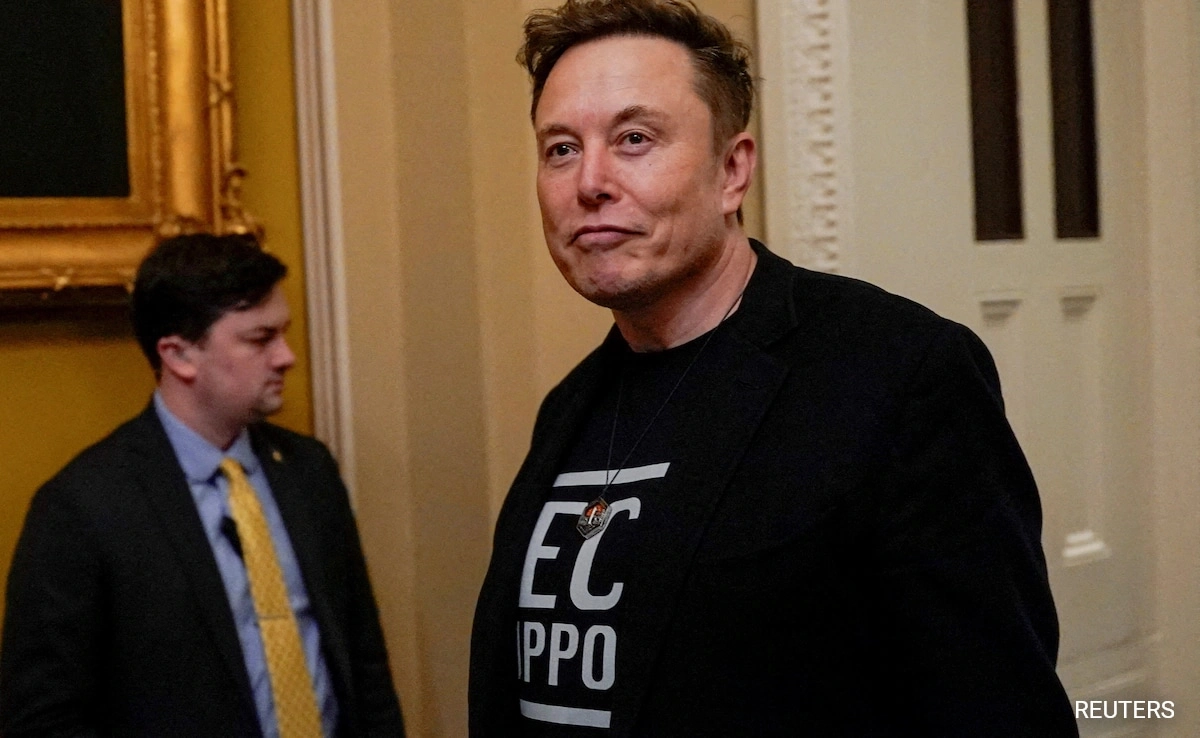
The UK’s Royal Society has recently made headlines by announcing its decision not to take any disciplinary action against Elon Musk, the CEO of Tesla and SpaceX. This decision comes in the wake of Musk’s controversial statements and actions, particularly regarding the dissemination of scientific information and public discourse on social media. The Royal Society, founded in 1660, is one of the oldest scientific institutions in the world, dedicated to promoting excellence in science and fostering a deeper understanding of its role in society. As such, its stance on Musk’s behavior carries significant weight in the scientific community.
Despite the potential for Musk’s remarks to influence public perception and scientific understanding, the Royal Society has chosen to focus on dialogue rather than punishment. The organization emphasized the importance of open discussion and exchange of ideas, even when those ideas may be contentious or unpopular. By refraining from taking action, the Royal Society aims to uphold the principle of free speech, allowing various viewpoints to be expressed and debated openly. This approach reflects a broader trend within scientific institutions to engage with controversial figures rather than silencing them, promoting a culture of critical thinking and rigorous debate.
The decision has sparked a mix of reactions, with some praising the Royal Society for prioritizing discourse over censorship, while others argue that Musk’s influence could potentially undermine public trust in science. Critics of Musk’s behavior express concern that his widespread platform may lead to the spread of misinformation, particularly regarding critical issues like climate change and public health. Nevertheless, the Royal Society’s leadership believes that addressing misinformation through informed discussion and education is a more effective strategy than imposing sanctions. This perspective aligns with the organization’s mission to foster a scientifically literate society where individuals can engage with and critically assess scientific information.
In essence, the Royal Society’s choice to abstain from taking action against Elon Musk underscores the complexities of navigating the intersection of science, public discourse, and the responsibilities of influential figures in society. As the landscape of communication continues to evolve with the rise of social media, institutions like the Royal Society must adapt their strategies to promote scientific integrity while respecting the principles of free expression. This situation serves as a reminder of the ongoing challenges faced by scientific organizations in maintaining credibility and fostering public trust in an era marked by rapid information exchange and often polarized opinions.