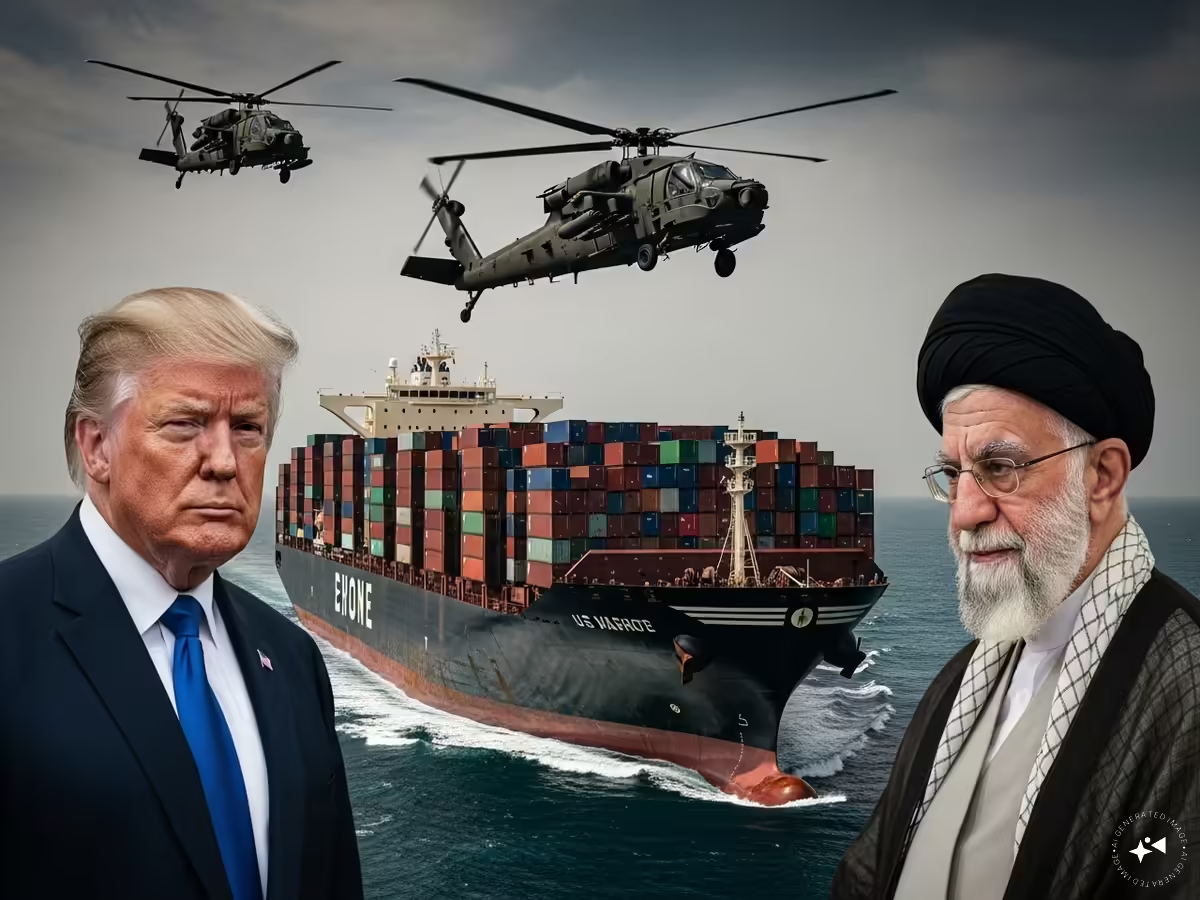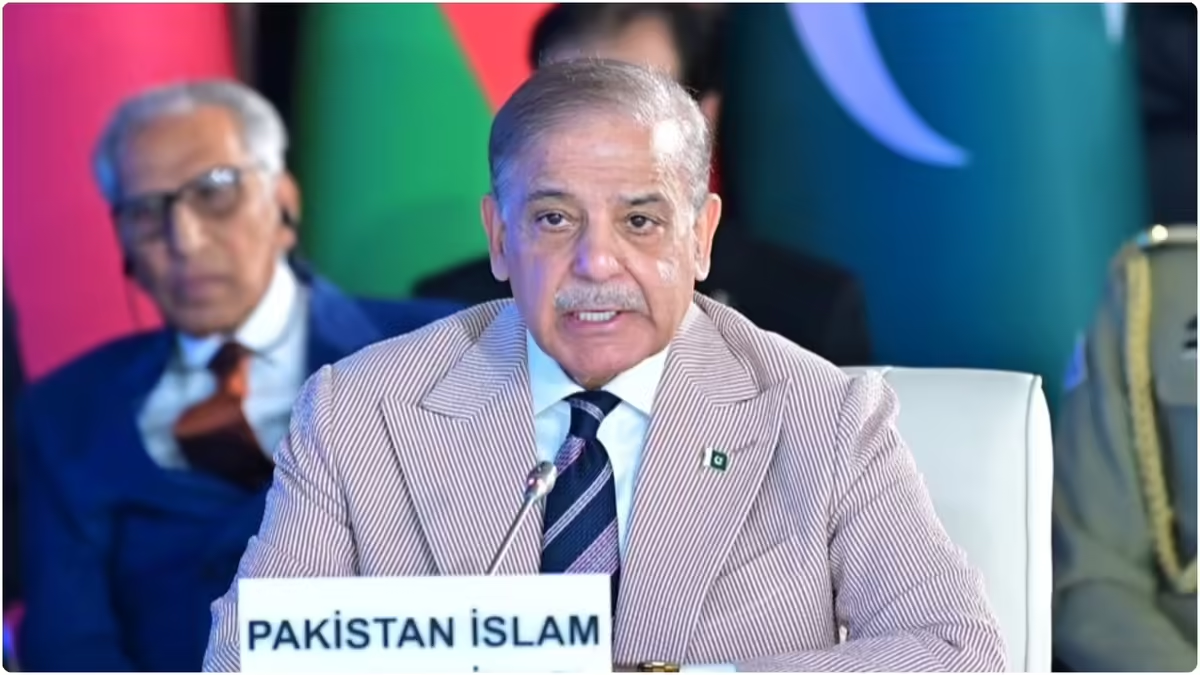
Amid the ongoing tensions in the Middle East, particularly with the backdrop of the Iran conflict, Pakistan appears to be making strategic moves that could significantly impact its diplomatic and economic landscape. Reports suggest that Islamabad is seeking financial assistance from the United States, with a proposed aid package amounting to $10 billion. This development raises several questions about Pakistan’s intentions and its positioning in the complex geopolitical dynamics of the region.
The request for such a substantial amount of aid comes at a time when Pakistan is grappling with numerous domestic challenges, including economic instability and rising inflation. By reaching out to the U.S., Pakistan may be aiming to bolster its economy while also reinforcing its strategic alliance with Washington. However, this move could also be viewed as an attempt to leverage the ongoing conflict in Iran, using the situation to secure financial support and diplomatic backing.
Furthermore, this situation underscores the intricate web of relationships in the region, where countries often find themselves balancing their actions against a backdrop of international politics. Pakistan’s overtures to the U.S. might provoke reactions from neighboring countries, particularly India and Iran, which could complicate the already tense situation. The implications of this request for aid extend beyond mere financial assistance; they signal Pakistan’s intent to play a more prominent role in regional affairs while navigating the challenges posed by its relationships with other nations.
As the situation develops, it will be crucial to observe how the U.S. responds to Pakistan’s request and what conditions, if any, may accompany the financial aid. The outcome of this dynamic could have lasting effects not only on Pakistan’s economy but also on the broader geopolitical landscape in South Asia and the Middle East. Ultimately, this situation highlights the complexity of international relations, where financial aid can be a tool for both support and leverage in the pursuit of national interests.