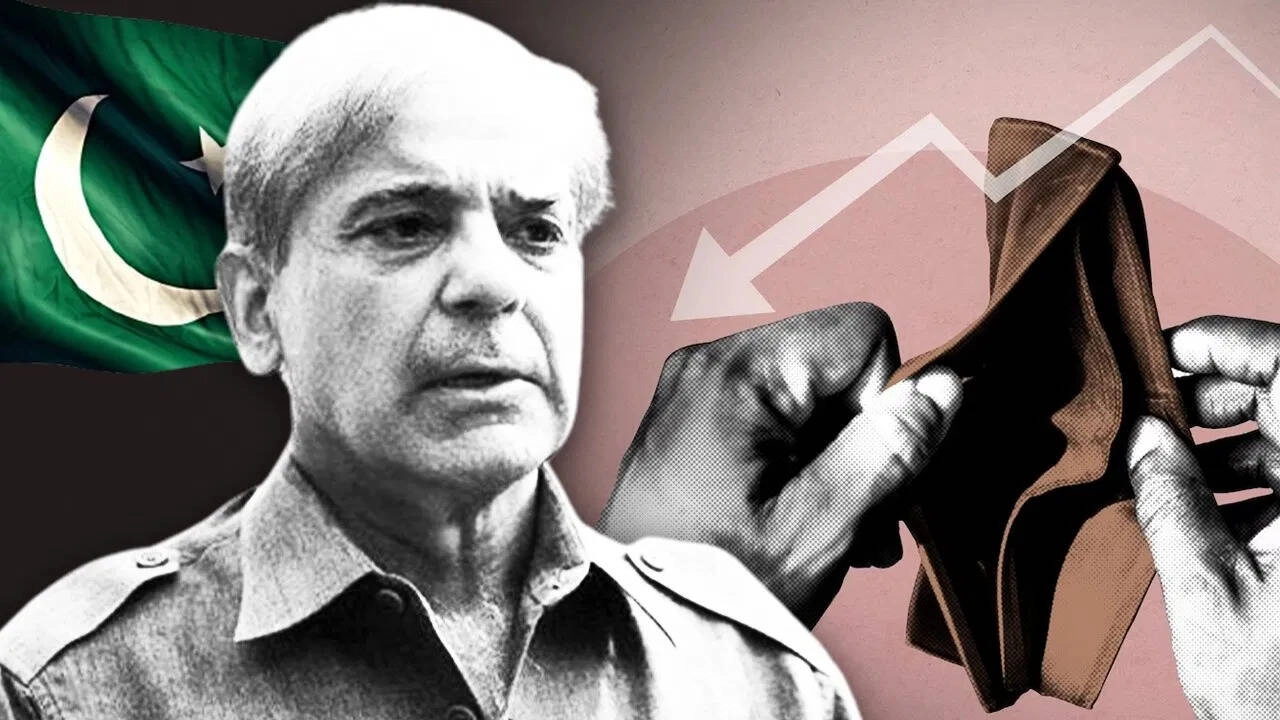
Pakistan is currently grappling with a significant debt crisis, finding itself submerged in financial obligations that extend from its head to its toes. The country’s debt situation is alarming, as it faces mounting pressures from various nations, including China and Saudi Arabia, among others. The financial liabilities have reached a point where they threaten the economic stability and growth prospects of the nation.
The historical context of Pakistan’s debt reveals a complex web of relationships with its creditors. The country has relied heavily on foreign loans to finance its development projects and maintain its economic stability. However, this dependence has led to a precarious situation where repayment obligations are becoming increasingly burdensome. With China being one of the largest creditors, Pakistan’s economic ties with Beijing are under scrutiny, raising concerns about sovereignty and long-term implications for both nations.
Moreover, Saudi Arabia has been a significant player in Pakistan’s financial landscape, providing assistance in the form of loans and aid packages. The cumulative debt owed to these countries not only exacerbates the financial strain but also limits Pakistan’s fiscal autonomy. As the country seeks to navigate this challenging scenario, it must develop strategic financial policies that prioritize sustainable growth while addressing the urgent need for debt management. The situation calls for a comprehensive approach to restructuring its financial obligations and fostering better economic relations with its creditors to pave the way for a more secure economic future.