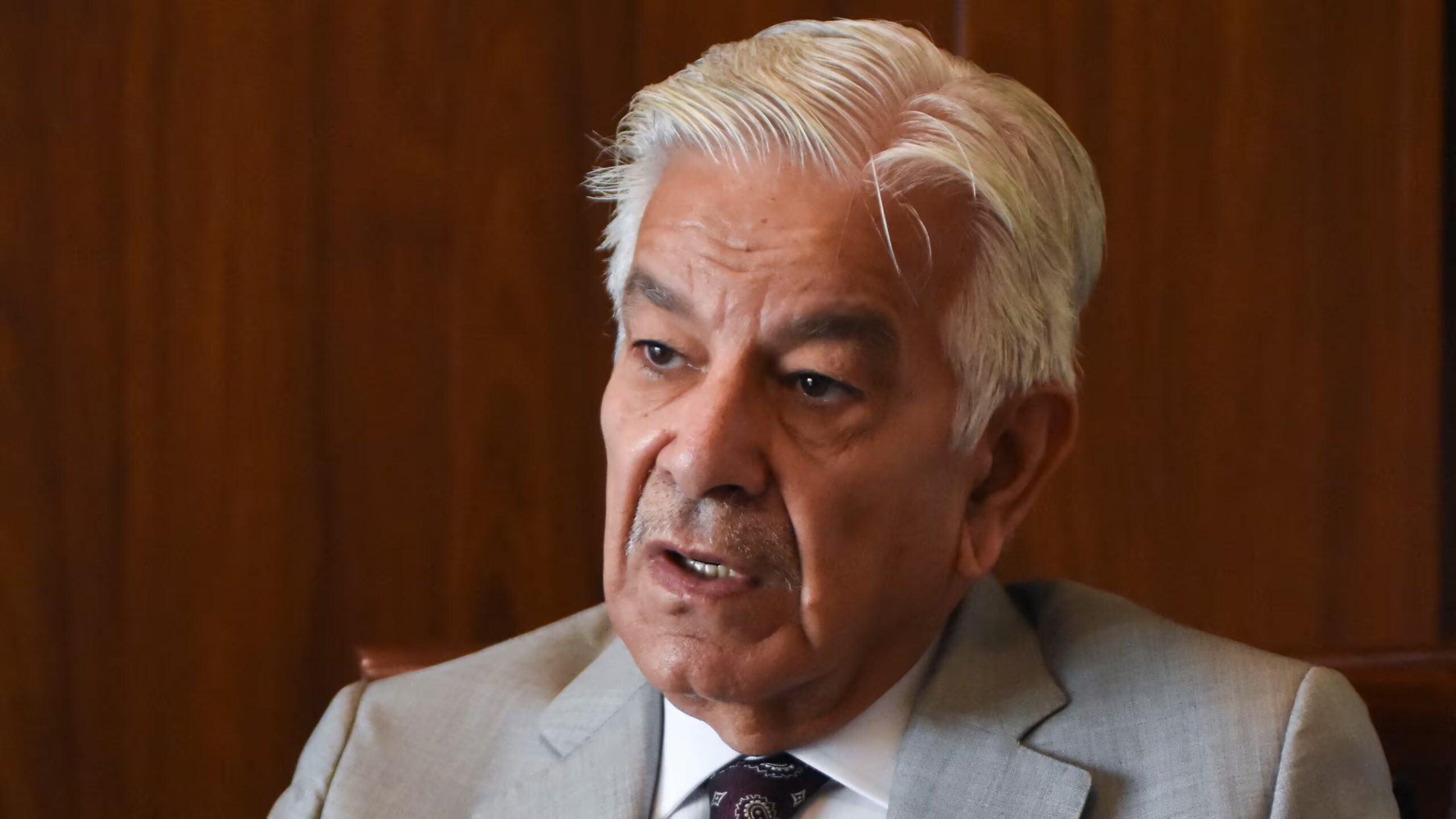
In a recent session of the Pakistani parliament, the country’s Defense Minister expressed deep emotional distress, shedding tears as he addressed the lawmakers. His remarks were pointed and critical, particularly aimed at the United States, which he accused of betrayal. The minister’s speech highlighted a growing sentiment of frustration and disillusionment regarding Pakistan’s relationship with America, a partnership that has been fraught with complexities over the years.
He went on to describe how Pakistan has been treated like “toilet paper,” implying that the U.S. has exploited the country for its own strategic interests without regard for the consequences faced by Pakistan. This analogy underscored a feeling of being used and discarded after serving a purpose, reflecting a broader narrative within Pakistani politics that criticizes foreign intervention and highlights the need for greater national sovereignty.
The emotional outpouring from the defense minister resonated with many lawmakers, sparking a debate on the implications of foreign policy on national integrity and the sacrifices made by Pakistan in its alliances. His plea serves as a reminder of the delicate balance that Pakistan must maintain in its international relations, particularly with a superpower like the United States. As the session progressed, it became evident that the frustrations expressed were not just personal sentiments but echoed a collective discontent among many Pakistanis who feel that their nation’s interests have often been sidelined in favor of external agendas.
Overall, this incident in parliament reflects a significant moment in Pakistan’s political discourse, where emotions run high and the call for a reevaluation of foreign ties is becoming increasingly prominent. The defense minister’s tears were not just an expression of sorrow; they encapsulated a demand for a more respectable and equitable partnership on the global stage.