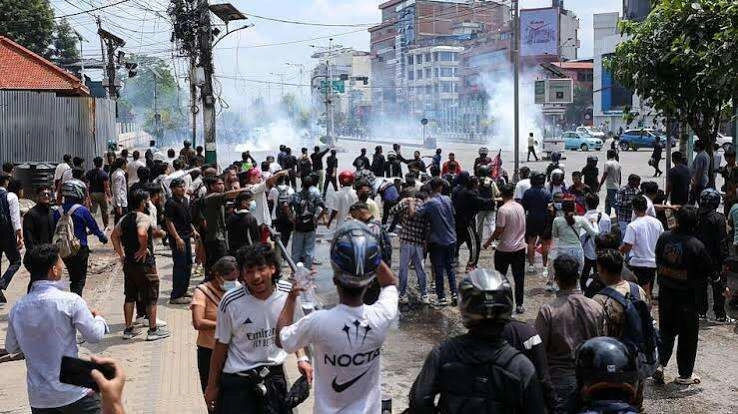
In recent days, Nepal has witnessed a surge of youth discontent, as three young individuals have attempted self-immolation in a span of just three days. This alarming trend reflects a growing frustration among the younger population, which is increasingly vocal about their dissatisfaction with various socio-political issues. The incidents have not only drawn public attention but have also sparked widespread protests in Kathmandu, where demonstrators are demanding significant changes and accountability from the government.
The footage capturing these attempts has gone viral, highlighting the desperation that many youths feel in the face of ongoing challenges such as unemployment, corruption, and lack of opportunities. The self-immolation attempts serve as a grim reminder of the depth of their distress and the urgency of addressing the systemic issues that contribute to their sense of hopelessness. As the protests escalate in Kathmandu, the government is under mounting pressure to respond to the grievances of the youth and implement reforms that can alleviate their struggles.
The situation underscores a critical moment in Nepal’s socio-political landscape, as the youth, who represent a significant portion of the population, are increasingly taking a stand against the status quo. Their actions signal not only a cry for help but also a demand for meaningful engagement in the political process. As the protests continue to grow, it is imperative for policymakers to listen to the voices of the young people and work towards creating an inclusive environment that fosters their aspirations and addresses their concerns. Only then can Nepal hope to channel this energy into constructive change rather than further despair.