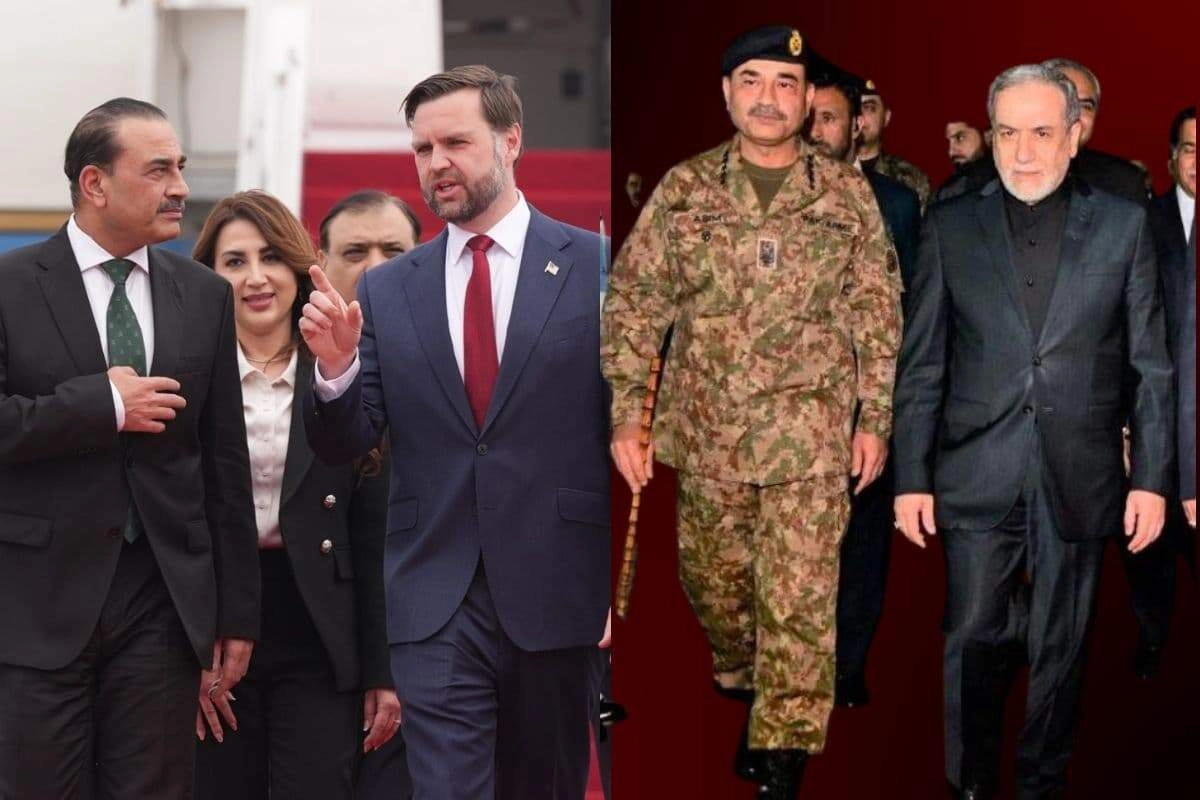
The recent diplomatic interactions involving Iran have brought attention to the attire choices of various officials, particularly in the context of a visit by U.S. Senator JD Vance. The discussions surrounding the event highlighted the sartorial decisions made by Munir, a prominent figure in the Iranian delegation. His choice of clothing, which juxtaposed traditional and modern elements, has sparked conversations about the role of dress in diplomacy.
Munir’s outfit was not merely a matter of personal style; it represented a deeper cultural narrative. In diplomatic settings, clothing can often carry significant meaning, reflecting national identity and cultural heritage. By choosing a specific ensemble, Munir aimed to convey a message of openness and a desire for dialogue amidst complex geopolitical tensions. This choice resonated with the ongoing dialogues about how appearance influences perceptions in international relations.
Senator Vance’s reception in Iran, coupled with Munir’s distinctive dress, underscored the importance of visual symbolism in diplomacy. It illustrated how attire can serve as a bridge between differing cultures, fostering understanding and communication. As discussions about international relations evolve, the implications of such choices become increasingly significant, prompting diplomats and leaders to consider how their appearances may impact negotiations and alliances.
In conclusion, the interplay of fashion and diplomacy, as exemplified by Munir’s dress during Senator Vance’s visit, highlights a fascinating aspect of international relations. The awareness of cultural nuances through attire can play a pivotal role in shaping dialogues and fostering relationships between nations. As the world becomes more interconnected, these elements of diplomacy will likely continue to evolve, emphasizing the need for sensitivity and awareness in cross-cultural interactions.