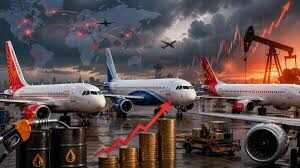
The ongoing tensions in the Middle East have significantly impacted various sectors globally, and Indian airlines are no exception to this trend. With the rising geopolitical unrest, airlines face increased operational costs, which have surged by up to 20%. This escalation is attributed to several factors, including rising fuel prices and additional security measures that airlines must implement to ensure passenger safety. Such conditions not only strain the airlines’ financial stability but also pose challenges for the overall travel industry in India.
As the situation in the Middle East continues to evolve, the ripple effects are felt acutely in the airline sector. Higher operational costs can lead to increased ticket prices, which may deter travelers and affect demand. This development is particularly concerning given that many airlines have only recently begun to recover from the financial setbacks brought on by the COVID-19 pandemic. The added pressure from rising costs could hinder their recovery trajectory and impact future investments in services and fleet expansion.
Airline operators are now faced with the delicate task of balancing their operational expenditures with the need to remain competitive in the market. The implications of these challenges may prompt airlines to reevaluate their routes, frequency of flights, and even their pricing strategies. For travelers, this scenario could mean fewer options or higher fares, necessitating careful planning and budgeting for upcoming travel.
In light of these developments, it is crucial for stakeholders in the aviation industry to remain vigilant and adaptable. Continuous monitoring of geopolitical events and market conditions will be essential for making informed decisions. Ultimately, while the situation in the Middle East presents significant challenges, it also offers an opportunity for airlines to innovate and find new ways to operate efficiently in a changing landscape.