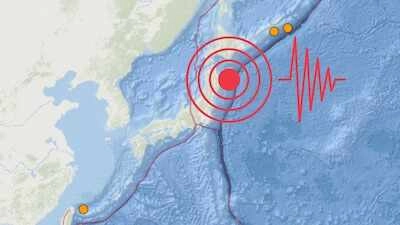
Japan is currently facing significant challenges in the wake of a powerful earthquake measuring 7.4 on the Richter scale. The tremors have sent shockwaves not only through the ground but also across various sectors of the economy, raising concerns about the stability of supply chains and market operations. The earthquake, which struck a densely populated region, has led to widespread panic among residents and has severely disrupted daily life. As emergency services respond to the immediate aftermath, the long-term implications for the economy are beginning to surface.
One of the most pressing issues is the impact on supply chains. Japan is a crucial player in the global manufacturing landscape, particularly in industries such as electronics, automotive, and machinery. The earthquake has caused significant damage to factories and transportation networks, hampering the movement of goods both domestically and internationally. This disruption not only affects local businesses but also has ripple effects across global markets, as many countries rely on Japanese exports. Analysts are closely monitoring the situation, as prolonged supply chain issues could lead to shortages and increased prices in various sectors.
In addition to supply chain concerns, the earthquake has created uncertainty in the financial markets. Investors are reacting to the potential economic fallout, leading to fluctuations in stock prices and currency values. The Japanese government and financial institutions are likely to implement measures to stabilize the economy and reassure investors. However, the extent of the damage and the time required for recovery remain uncertain. As the situation develops, businesses and consumers alike will need to navigate the challenges posed by this natural disaster, with the hope that Japan will emerge resilient in the face of adversity.