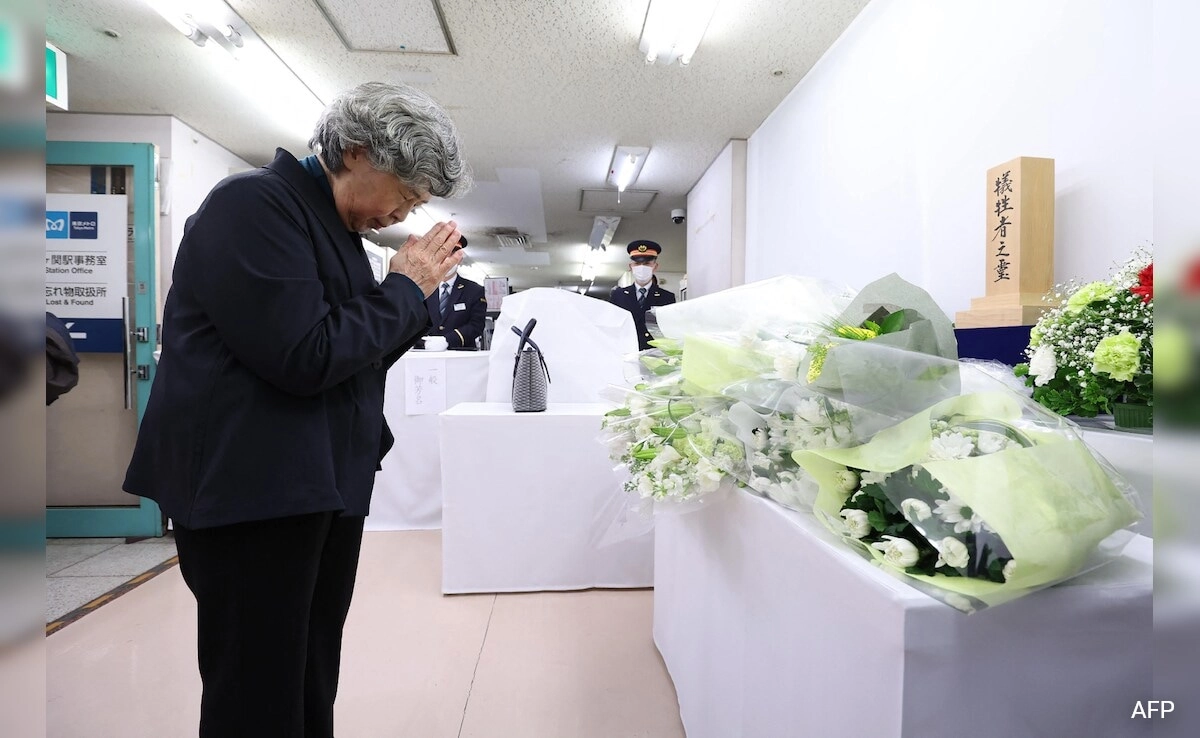
Japan recently commemorated the 30th anniversary of the Tokyo Subway sarin attack, a devastating event that profoundly impacted the nation and its approach to security and emergency response. On March 20, 1995, members of the Aum Shinrikyo cult released sarin gas in the Tokyo subway system during the morning rush hour, killing 13 people and injuring over a thousand others. This act of terrorism shocked Japan, a country that prided itself on safety and social order, and it forced a reckoning with the realities of extremist violence.
The attack not only claimed lives but also left deep psychological scars on survivors and the broader public. In the wake of the incident, the Japanese government implemented significant changes to its emergency response protocols and counter-terrorism measures. The need for heightened vigilance against potential threats became paramount as authorities sought to restore a sense of security in a society that had been shaken to its core. The event also sparked discussions about the nature of cults and the dangers they pose, leading to increased scrutiny of religious organizations operating within Japan.
On this anniversary, memorial services were held to honor the victims and reflect on the lessons learned over the past three decades. Survivors shared their harrowing experiences, emphasizing the enduring impact of that fateful day and the importance of remembrance. The event served as a reminder of the resilience of the human spirit in the face of adversity and the collective responsibility to prevent such tragedies from occurring again. As Japan continues to navigate the complexities of modern security challenges, the legacy of the Tokyo Subway sarin attack remains a sobering reminder of the need for vigilance and compassion in a world where the threat of extremist violence persists.