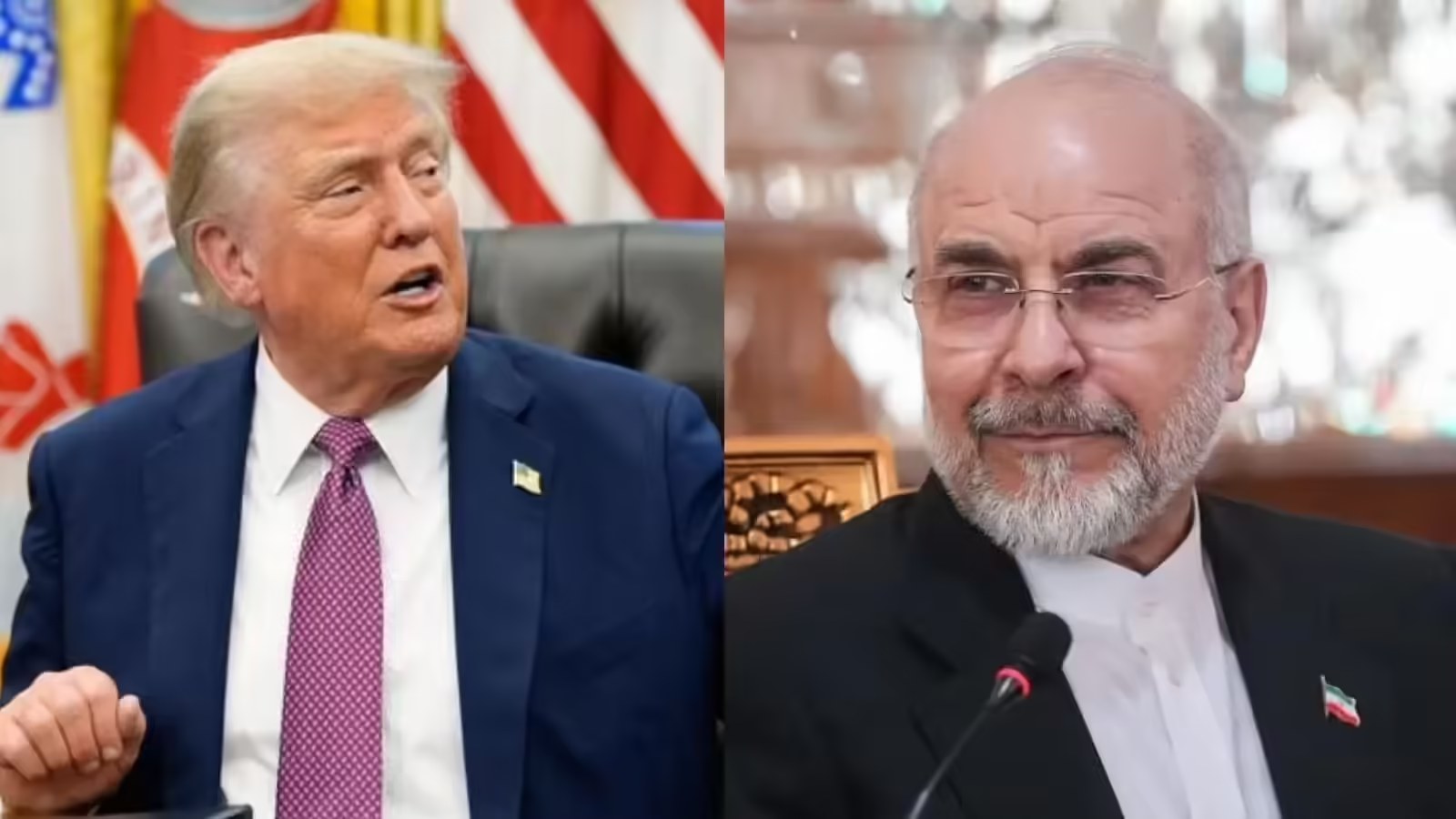
In the midst of escalating tensions between Iran and the United States, a surprising twist has emerged that has caught the attention of global observers. Despite neither Iran conceding defeat nor the U.S. backing down from its stance, a significant de-escalation of tensions has occurred. This unexpected development raises questions about the underlying dynamics at play and the potential implications for regional stability.
Iran has consistently maintained its position in the face of American pressure, showcasing a resilience that has defined its diplomatic approach. On the other hand, the U.S. has been steadfast in its policies, aiming to exert maximum pressure on Tehran through sanctions and military posturing. However, recent events suggest that both nations may have recognized the futility of continued confrontation. Diplomatic channels, which had seemed nearly closed, have shown signs of life, fostering a more hopeful environment for dialogue.
India, a key player in this scenario, has found reasons to be optimistic amid the turmoil. As a nation that shares strategic interests with both Iran and the U.S., India stands to benefit from a reduction in hostilities. The easing of tensions could facilitate smoother trade routes and energy supplies, which are critical for India’s growing economy. Moreover, a more stable Middle East aligns with India’s broader geopolitical interests, ensuring its role as a significant player in regional affairs.
This development highlights the intricate web of international relations where the actions and reactions of one nation can have far-reaching consequences. The interplay of diplomacy, economic interests, and regional security concerns continues to shape the landscape of Iran-U.S. relations. As the world watches closely, the hope remains that this unexpected twist may pave the way for a more constructive engagement between the two nations, ultimately contributing to the peace and stability of the broader region.