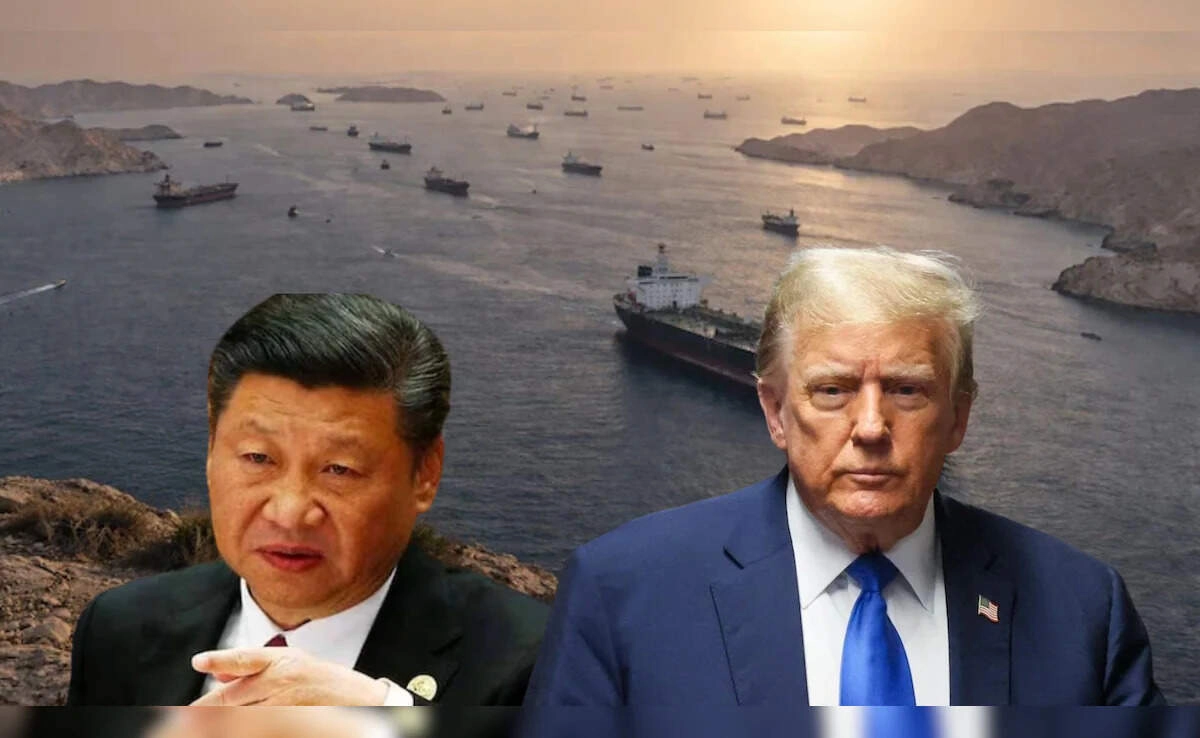
In recent developments regarding Iran and the United States, former President Donald Trump has introduced a new strategy that aims to capitalize on China’s reliance on Iranian oil. These discussions are taking place against a backdrop of heightened tensions in the region, particularly following incidents in the Strait of Hormuz. This strategic waterway has long been a focal point for oil shipments, and any disruptions there have significant implications for global energy markets. The U.S. is now shifting its attention to exploring alternative maritime routes that could potentially bypass Hormuz, thereby reducing Iran’s leverage over oil transportation.
The renewed focus on maritime routes is not just a tactical maneuver but also a reflection of the broader geopolitical landscape. The U.S. is keenly aware of China’s growing dependency on Iranian oil, which serves as a lifeline for the Chinese economy. By targeting this relationship, the U.S. aims to undermine Iran’s economic stability and limit its influence in the region. This strategy could involve increased naval presence or coordinated efforts with allies to ensure the security of alternative shipping lanes, thereby presenting Iran with a multifaceted challenge.
As these discussions unfold, the stakes are high for all parties involved. Iran, facing economic pressure and international isolation, may respond aggressively to any perceived threats to its oil exports. In contrast, the U.S. is trying to assert its dominance in a region where China’s influence is expanding. The complex interplay of diplomacy, military readiness, and economic sanctions will define the future of U.S.-Iran relations and could determine the stability of oil markets globally. With every move, both nations are navigating a precarious path that could lead to either confrontation or a new understanding in the ever-evolving dynamics of international politics.