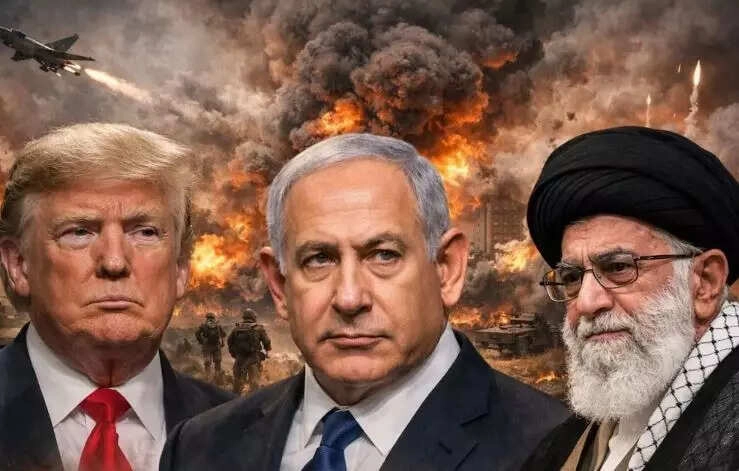
The ongoing conflict between Iran and Israel has escalated significantly, drawing in the attention and involvement of a growing number of nations. Reports indicate that the repercussions of this war have now reached as many as 40 major countries, highlighting the extensive geopolitical implications of the situation. This conflict, rooted in long-standing historical, political, and ideological tensions, has the potential to disrupt not only the Middle East but the entire global order.
The involvement of these countries can be attributed to various factors, including strategic alliances, economic interests, and concerns over regional stability. As nations align themselves with either side of the conflict, the risk of a broader war increases, raising alarms among international leaders and organizations. The list of countries affected includes both those that are directly involved in the conflict and those that are feeling the indirect effects through economic sanctions, refugee movements, and shifts in trade relations.
As the situation continues to unfold, the international community is closely monitoring developments, with diplomatic efforts being made to de-escalate tensions. However, the complexity of the relationships involved makes finding a resolution challenging. The conflict serves as a stark reminder of how localized disputes can have far-reaching consequences, affecting global security and economic stability. The coming weeks will be crucial in determining whether this conflict can be contained or if it will spiral into a larger regional or even global confrontation.