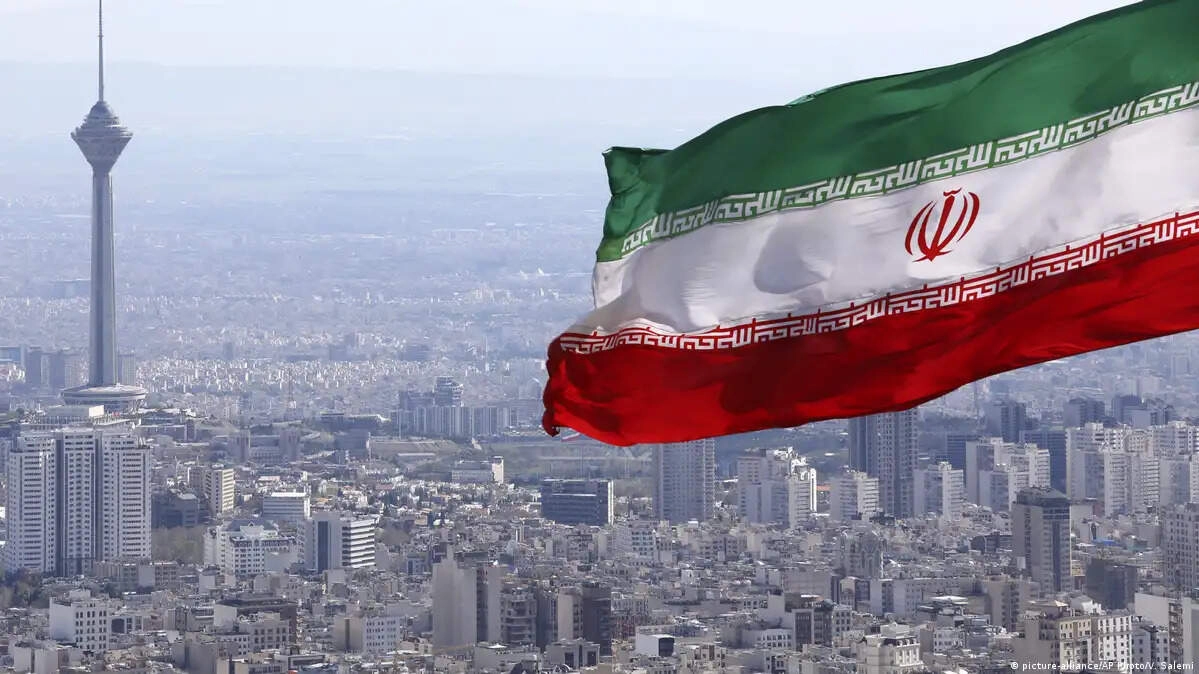
In the midst of ongoing tensions related to war, Iran stands to gain a significant economic advantage due to a crucial decision that is projected to bring an influx of $15 billion into the nation’s treasury. This development underscores the complex interplay between geopolitical dynamics and economic opportunities that can arise even in challenging circumstances. The decision seems to be a strategic move by Iran to leverage its position in the regional landscape, capitalizing on the situation to bolster its financial stability.
The anticipated economic boost is expected to come from various sectors, potentially including oil exports, trade agreements, and investments that may be influenced by the current state of affairs. Iran’s ability to navigate through these turbulent times and secure such a substantial financial gain reflects its resilience and strategic planning. Moreover, this influx of capital could play a pivotal role in addressing some of the economic challenges the country has faced in recent years, particularly in terms of inflation and currency devaluation.
As the situation unfolds, it will be interesting to observe how Iran utilizes this newfound financial resource. The government might channel these funds into critical infrastructure projects, social programs, or even military enhancements, depending on its priorities and strategic goals. This decision not only highlights the potential for economic growth amidst adversity but also raises questions about the long-term implications for regional stability and international relations. Overall, Iran’s ability to turn a challenging scenario into a financial opportunity may set a precedent for how nations can adapt and respond in times of conflict.