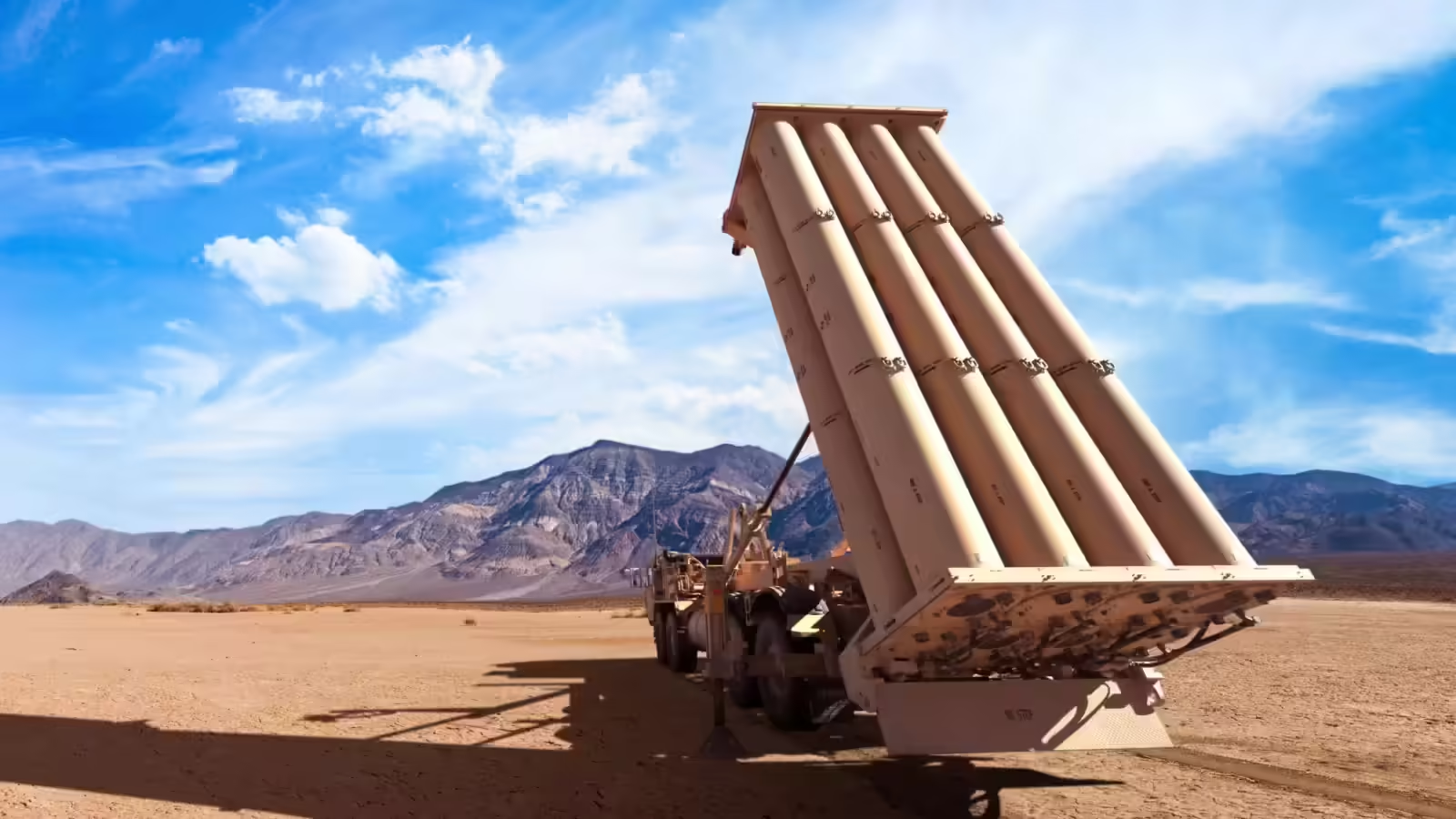
The advanced THAAD (Terminal High Altitude Area Defense) system of the United States has faced significant challenges, particularly in the context of rising tensions with Iran. Recent developments have highlighted the vulnerabilities of this sophisticated defense technology, which was designed to intercept and destroy incoming ballistic missiles. Reports indicate that Iran has successfully managed to disrupt and damage the THAAD system, raising questions about its efficacy and reliability in a real-world conflict situation.
In a dramatic turn of events, the financial impact of these developments has been staggering. The costs associated with the maintenance and operational readiness of the THAAD system, combined with the losses incurred due to the Iranian actions, have reportedly reached an astounding ₹2,730 crore (approximately $330 million). This situation not only underscores the financial burden of advanced military technology but also casts doubt on the strategic advantages that such systems are supposed to provide in the event of hostile engagements.
The implications of these events extend beyond mere financial considerations. They raise critical issues regarding military preparedness, the effectiveness of defense systems against asymmetric threats, and the broader geopolitical landscape in which these technologies operate. As nations like Iran continue to develop and enhance their military capabilities, it becomes increasingly vital for the U.S. and its allies to reassess their strategies and invest in more robust defense mechanisms that can withstand current and future threats. The ongoing developments serve as a stark reminder of the complexity and unpredictability of modern warfare, where technological advancements must continually adapt to evolving challenges.