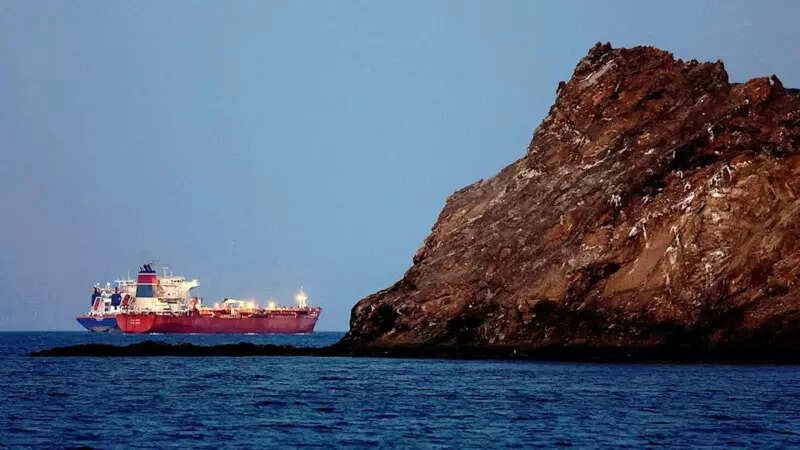
A Pakistani ship seeking to transit through the strategic Strait of Hormuz was denied permission to proceed and was turned back by Iranian authorities. The Strait of Hormuz is a crucial maritime passage that connects the Persian Gulf with the Gulf of Oman and is known for being one of the world’s busiest waterways for oil transportation. The incident highlights the ongoing tensions in the region and the complexities of maritime navigation in areas with geopolitical disputes.
Iran’s decision to prevent the Pakistani vessel from crossing the strait raises questions about maritime security and diplomatic relations in the area. Such actions can be indicative of broader political dynamics, particularly in light of Iran’s ongoing tensions with several countries, including the United States and its regional allies. The Strait of Hormuz is a focal point for various nations due to its significance in global energy supply, and any disruption in this area can have far-reaching implications for international trade and energy markets.
The return of the Pakistani ship underscores the importance of adhering to international maritime laws and the sovereignty of nations over their territorial waters. It serves as a reminder of the need for clear communication and cooperation among nations to ensure safe passage in strategic waterways. As geopolitical tensions continue to evolve, incidents like these may become more frequent, further complicating maritime navigation and international relations in the region.