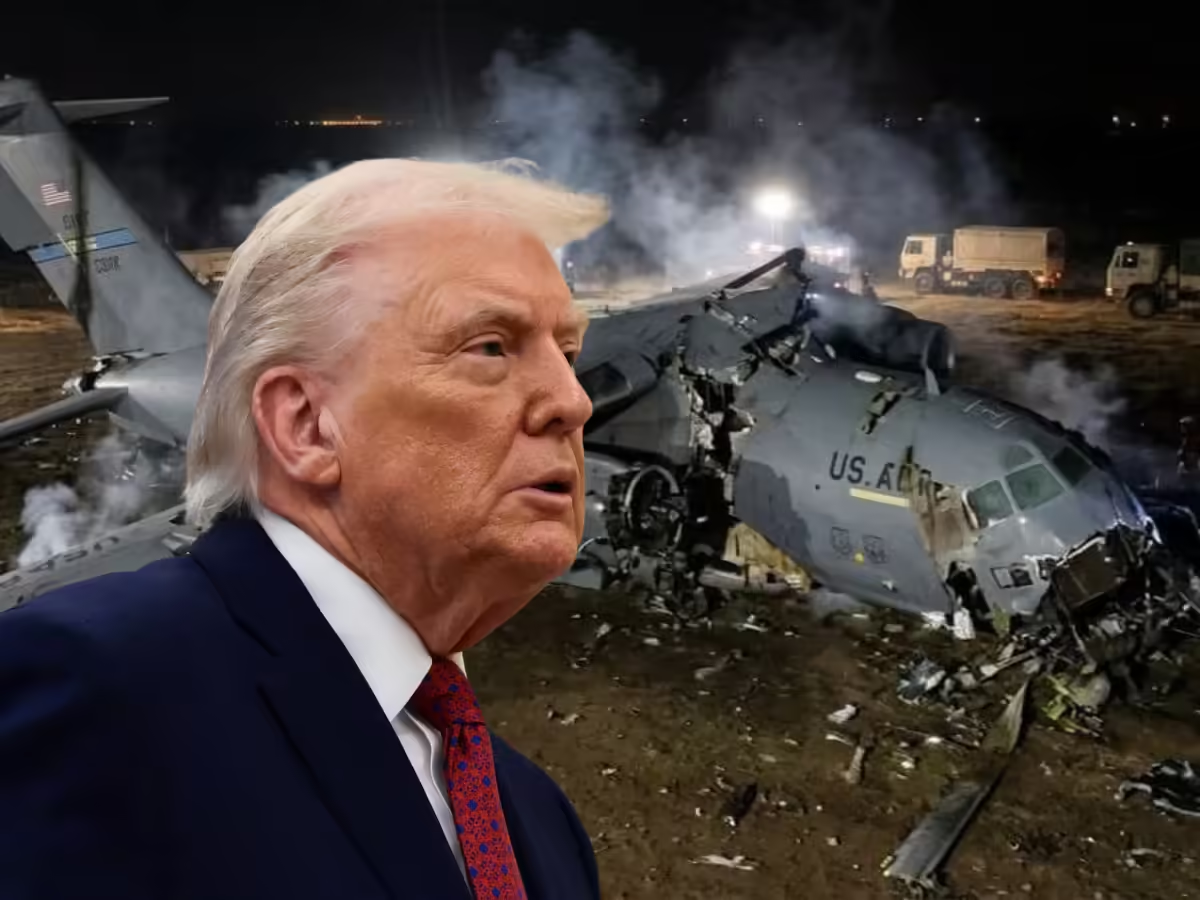
In a recent development, Iran has claimed that it successfully shot down an F-35 Lightning II aircraft, a fifth-generation stealth fighter jet used by the United States. This assertion has raised significant concerns and drawn attention to the escalating tensions between Iran and the US. The F-35 is considered one of the most advanced military aircraft in the world, and any claim of its downing not only challenges the technological prowess of the US military but also has potential implications for international security dynamics.
The backdrop to this incident includes the Trump administration’s controversial demands amounting to 200 billion dollars from Iran, which has added fuel to the fire in an already strained relationship. The financial demands, which are perceived by Iran as part of a larger strategy to exert pressure, have triggered a wave of anxiety within Tehran. The Iranian government is likely to view the claim of downing the F-35 as a way to assert its military capabilities and deter further US aggression. This situation exemplifies the ongoing conflict over military presence and influence in the region, where both nations have been engaged in a war of words and actions.
The implications of these developments are far-reaching. If Iran’s claim holds any credibility, it could embolden other nations that may feel threatened by US military dominance. Moreover, it could lead to increased military engagement in the region, as the US may respond with heightened vigilance or retaliatory measures. The geopolitical landscape is already fragile, and incidents like these could exacerbate tensions further, potentially leading to conflicts that could have dire consequences for global peace and stability. As the situation unfolds, it remains crucial for both nations to navigate these challenges carefully, considering the broader impact of their actions on international relations.