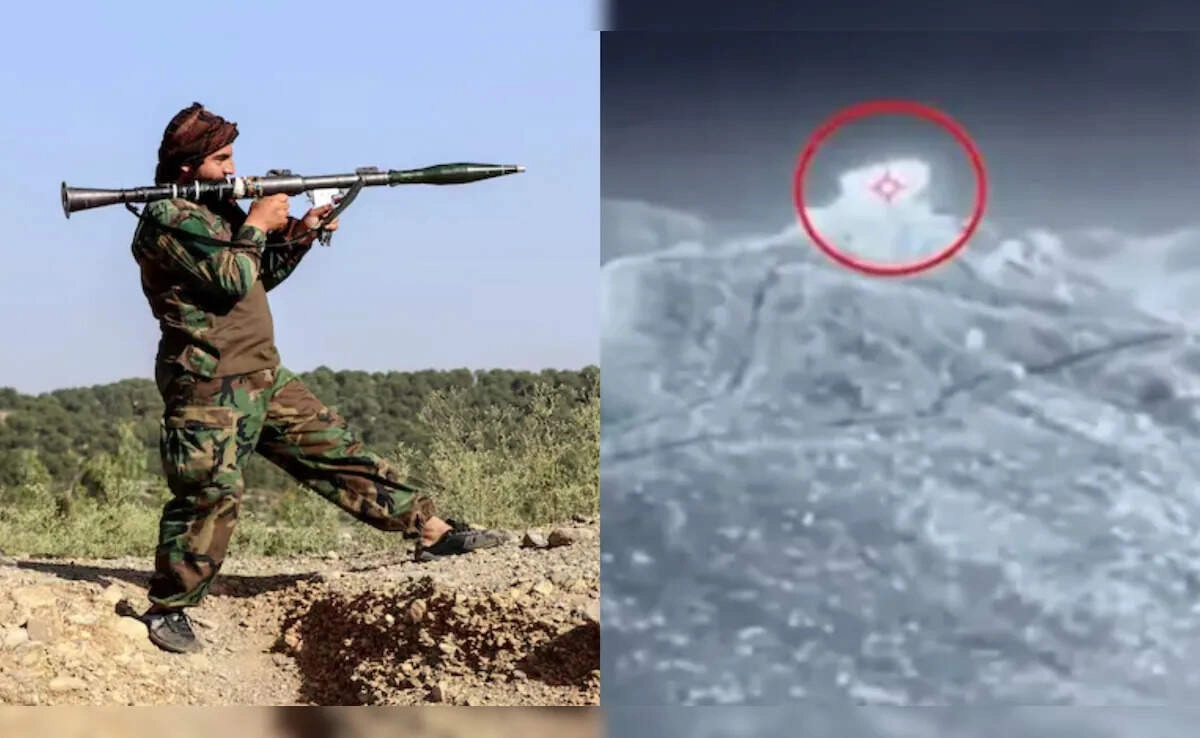
The situation at the border has escalated dramatically, with intense clashes erupting once again between Pakistan and the Taliban. This renewed conflict has brought a wave of violence, with heavy artillery and ammunition being exchanged across the border. The hostilities have raised serious concerns about security and stability in the region, as both sides seem determined to assert their dominance over contested areas.
Reports indicate that the fighting has intensified, with both Pakistan’s military forces and Taliban fighters engaging in fierce confrontations. The use of heavy weaponry has resulted in significant destruction and has endangered the lives of countless civilians living in proximity to the border. As the situation deteriorates, there are fears of a wider conflict that could spill over into neighboring regions, further complicating an already volatile geopolitical landscape.
International observers are closely monitoring the developments, emphasizing the need for dialogue and de-escalation to prevent further loss of life and instability. The ongoing clashes not only threaten the lives of those directly involved but also pose a risk to regional peace. Humanitarian organizations are calling for immediate assistance to those affected by the violence, highlighting the urgent need for support in providing shelter, medical aid, and food to displaced individuals and families caught in the crossfire.
As the situation continues to unfold, it is crucial for both parties to seek a peaceful resolution to their differences. The international community must play a proactive role in facilitating negotiations to ensure that the conflict does not escalate further. The people living in these border regions deserve safety and security, and it is imperative that all sides work towards a sustainable and lasting peace.