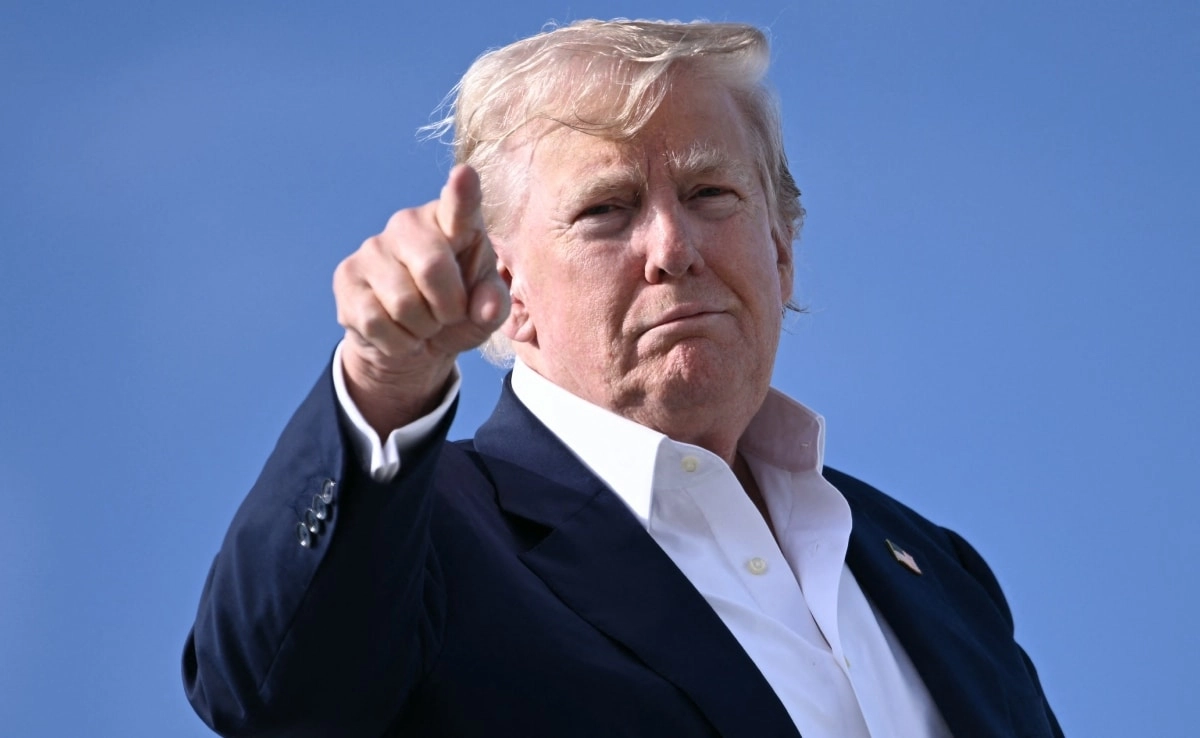
The Indian government has expressed strong disapproval of recent comments made by Peter Navarro, a former adviser to Donald Trump. Navarro’s remarks were described by Indian officials as “inaccurate” and “misleading,” indicating a clear tension between his statements and the official stance of the Indian administration. This response suggests that Navarro’s comments may have been perceived as not only factually incorrect but also potentially harmful to the diplomatic relationship between the United States and India.
The context of Navarro’s statements appears to revolve around sensitive topics that could impact bilateral trade or geopolitical interests. Such inaccuracies can lead to misunderstandings and may tarnish the image of both nations in the eyes of international observers. India, as a growing global power, is particularly sensitive to comments that could undermine its position or misrepresent its policies. The government’s swift rebuttal underscores its commitment to maintaining a constructive dialogue with the U.S., despite any individual’s remarks that may deviate from the established diplomatic narrative.
In recent years, India and the United States have been working to strengthen their bilateral ties, focusing on shared interests such as defense, trade, and counter-terrorism. Navarro’s statements, if left unchallenged, could jeopardize this progress by sowing discord and creating unnecessary friction. Indian officials are likely concerned that such remarks could influence public perception and policy discussions in both countries. Therefore, it is essential for leaders and advisers to engage in responsible discourse that reflects the realities of the relationship and fosters mutual respect.
Overall, the Indian government’s response to Navarro’s comments serves as a reminder of the delicate nature of international relations, where words can carry significant weight. As both nations navigate complex global challenges, maintaining accurate and respectful communication will be crucial to fostering a strong partnership that benefits both parties. It is imperative for public figures, especially those with influence, to be mindful of their statements and the impact they may have on diplomatic relations.