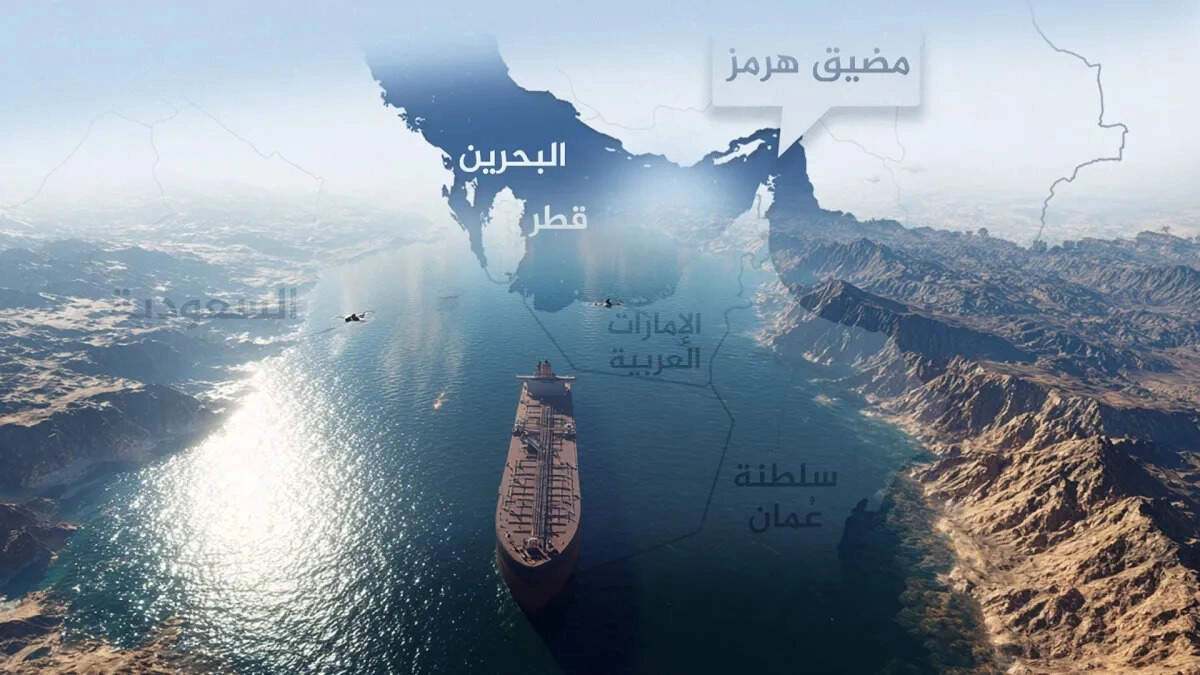
The rising tensions between Iran and the United States have raised significant concerns regarding the potential closure of the Strait of Hormuz and its implications for India. The Strait of Hormuz is a crucial maritime passageway through which a substantial portion of the world’s oil supply is transported. Any disruption in this area could have far-reaching consequences, particularly for countries like India that rely heavily on imported oil.
If Iran decides to close or obstruct the Strait of Hormuz in response to its ongoing disputes with the United States, India could face severe economic repercussions. As one of the largest consumers of oil, India depends on imports to meet its energy needs. A blockade or significant reduction in oil supply would not only lead to soaring oil prices but also impact the overall cost of living for the average Indian. This could result in higher transportation costs, increased prices for goods and services, and a burden on the economy as a whole.
Moreover, the geopolitical implications of such a scenario could lead to heightened tensions in the region, affecting trade routes and security dynamics. India, which has been working to strengthen its energy security and diversify its sources of oil, may find itself in a precarious position. The need for strategic partnerships and diplomatic engagements in the Middle East could become even more pronounced as India navigates the complexities of international relations amidst rising tensions between major powers.
In conclusion, the potential closure of the Strait of Hormuz due to Iran-U.S. tensions poses a significant threat not only to global oil supply but also directly impacts India’s economy and its citizens. The ramifications could be felt in multiple ways, affecting everything from oil prices to the stability of the region. It is crucial for India to remain vigilant and proactive in addressing these challenges to safeguard its economic interests and energy security in an increasingly volatile geopolitical landscape.