The International Monetary Fund (IMF) has provided a substantial financial assistance package of ₹11,032 crore to Pakistan. This aid comes at a critical time when the country is grappling with severe economic challenges, including high inflation, a depreciating currency, and a growing fiscal deficit. The financial support from the IMF is intended to stabilize Pakistan’s economy and restore investor confidence. However, this assistance also raises concerns about the long-term implications of increased debt. As Pakistan continues to rely on external aid, there is a looming risk that this reliance could lead to an unsustainable debt situation, further complicating the country’s economic recovery.
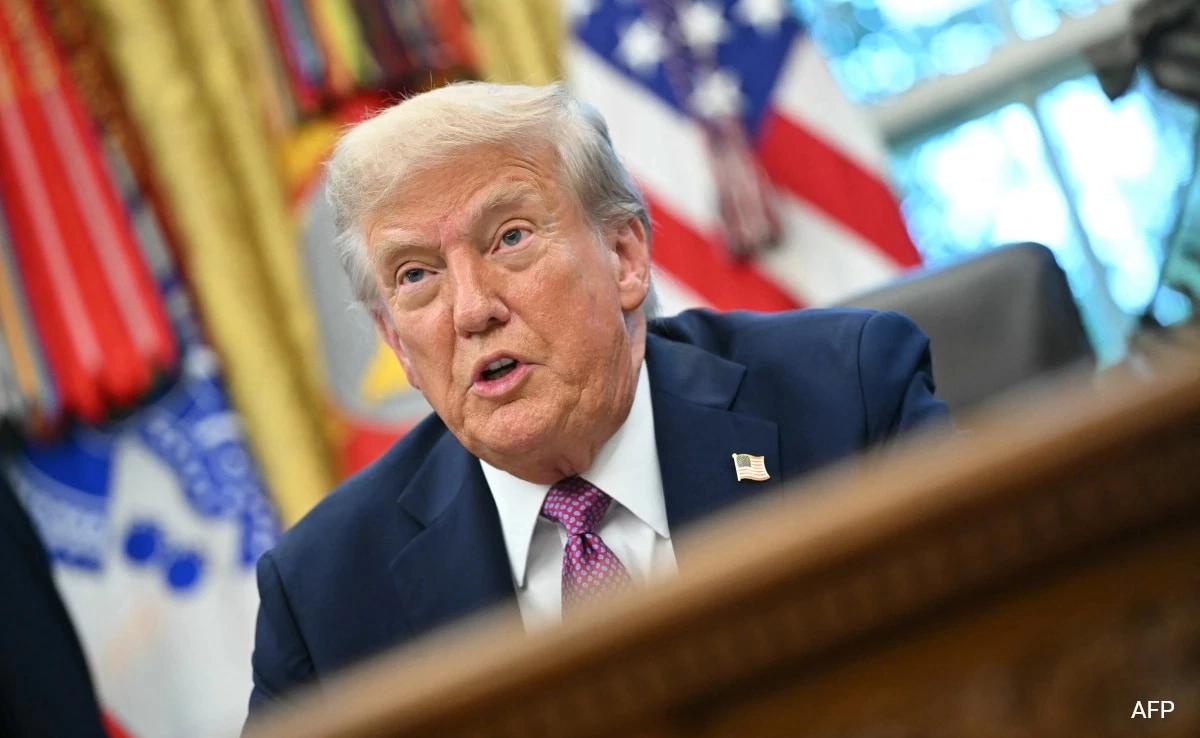
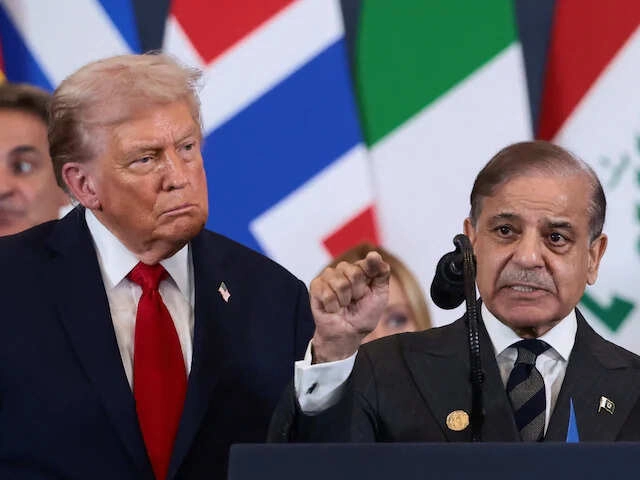
Additionally, the political landscape surrounding international aid to Pakistan is becoming increasingly complex. Recently, former U.S. President Donald Trump has shown a more assertive stance towards Pakistan, which could have implications for the country’s relationship with Western nations and international financial institutions. Trump’s rhetoric suggests a desire to hold Pakistan accountable for its economic policies and governance, potentially putting additional pressure on the nation to implement reforms. This situation creates a dual challenge for Pakistan: not only must it manage its economic issues but also navigate the evolving political dynamics that can influence its access to future support.
In light of these developments, the question arises: will the financial assistance from the IMF ultimately help Pakistan or lead to a deeper cycle of debt? While the immediate infusion of funds can provide relief, the real challenge lies in how effectively the government can utilize these resources to stimulate growth and address structural issues. The importance of implementing sound economic policies cannot be overstated, as failure to do so may result in the country becoming trapped in a cycle of borrowing without achieving meaningful progress. Thus, the coming months will be crucial for Pakistan, as it seeks to balance immediate financial needs with the imperative of sustainable economic management.