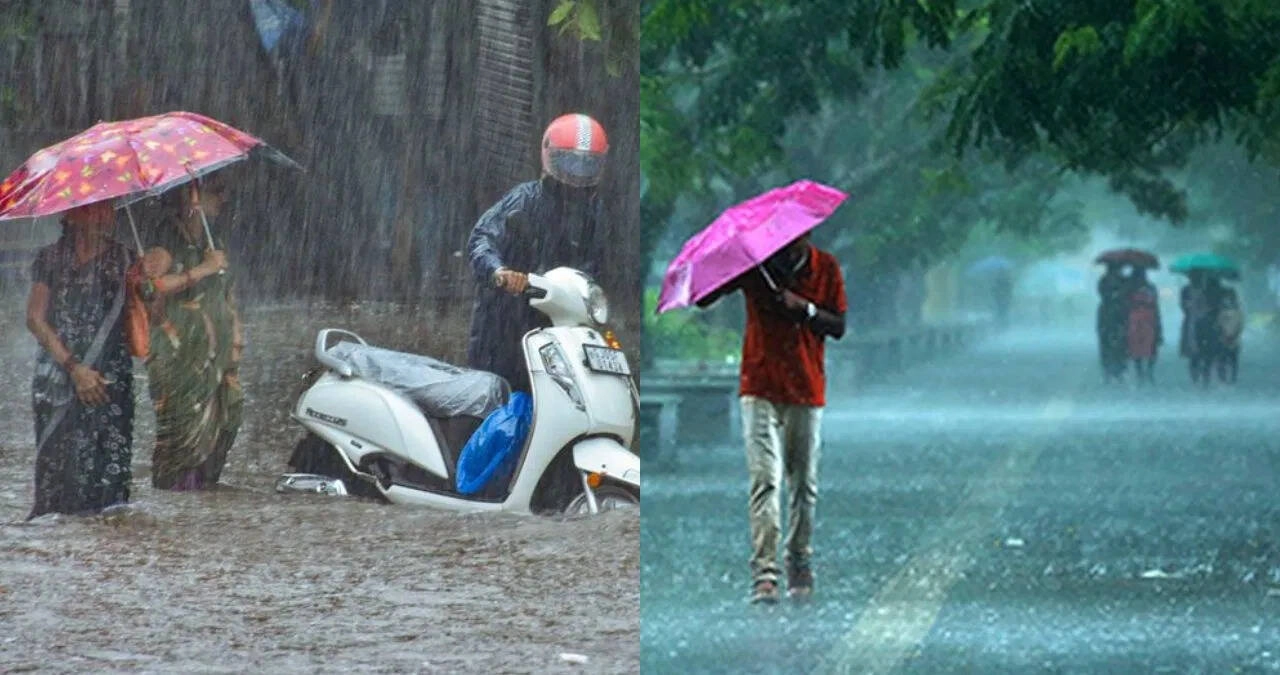
The India Meteorological Department (IMD) has made a significant forecast regarding the country’s rainfall patterns, predicting that by the year 2026, there may be a likelihood of below-average rainfall across the nation. This alarming prediction raises concerns about the potential impact on agriculture, water resources, and overall climate conditions in India. The IMD’s assessment suggests that the monsoon season, which is crucial for replenishing water supplies and supporting crops, could experience weaknesses, leading to adverse effects on food production and livelihoods for many farmers.
In the video accompanying this announcement, experts delve deeper into the factors contributing to this anticipated decline in monsoon strength. They explore various climatic variables, such as changing weather patterns and global phenomena like El Niño, which could play a role in altering rainfall distribution. The implications of a weaker monsoon are far-reaching, affecting not only rural economies but also urban areas that rely on consistent water supply for daily consumption and industrial activities.
As the nation prepares for these potential challenges, it becomes increasingly important for policymakers, researchers, and communities to strategize and implement measures to mitigate the effects of reduced rainfall. This includes investing in water conservation techniques, promoting sustainable agricultural practices, and enhancing infrastructure to manage water resources more effectively. The IMD’s forecast serves as a crucial reminder of the pressing need to address climate change and its impacts on weather patterns, ensuring that India can adapt to these challenges and secure a more resilient future for its population.