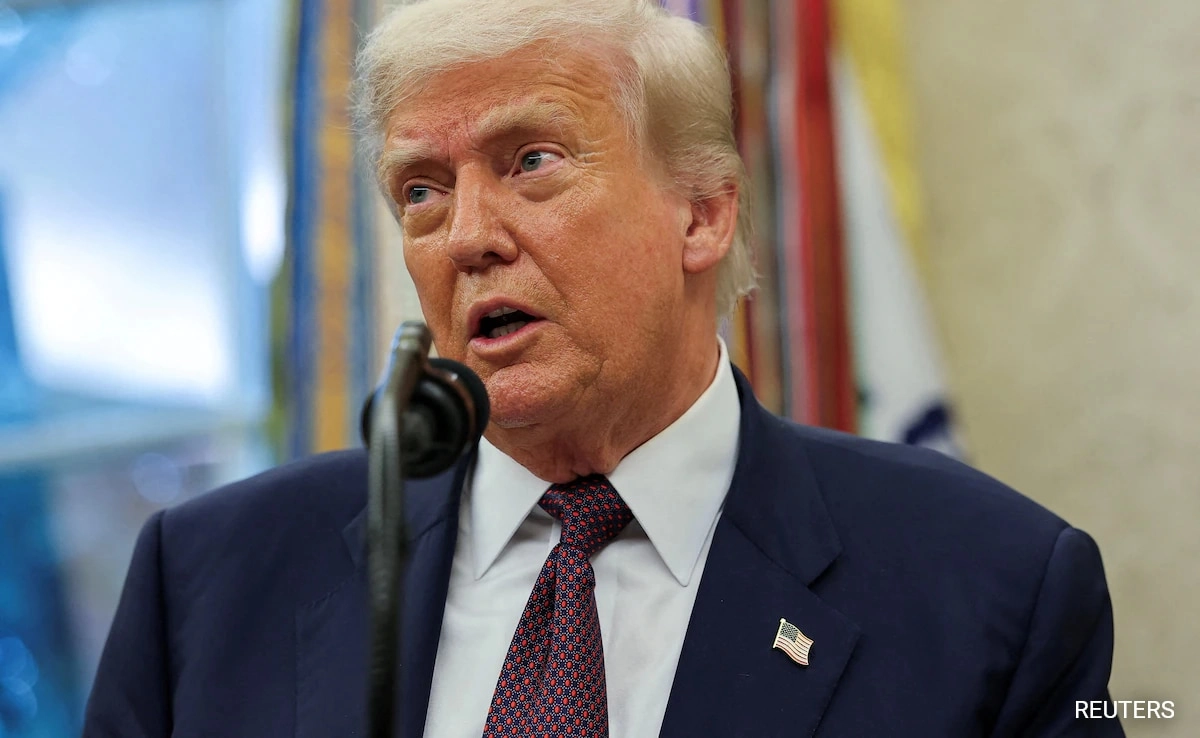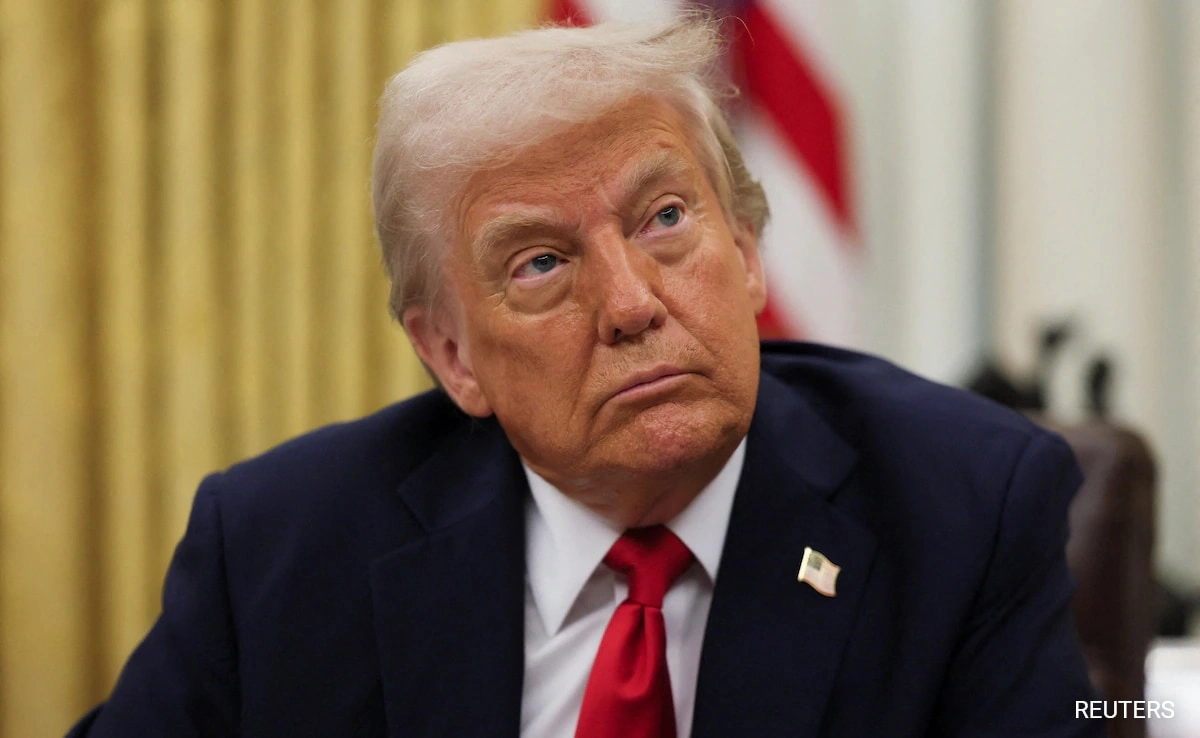
In a surprising turn of events, Hollywood has been left reeling after former President Donald Trump announced a bold plan to impose 100% tariffs on films imported from countries outside the United States. Described by industry insiders as “nonsensical,” this decision has sparked outrage and concern within the entertainment community. The announcement, made during a recent rally, has raised eyebrows not only for its potential impact on international relations but also for its implications for the film industry, which relies heavily on global collaboration and distribution.
Critics argue that such an extreme tariff could lead to a significant reduction in the variety of films available to American audiences. Many filmmakers and producers have expressed fears that it would stifle creativity and innovation, as the U.S. film market thrives on the exchange of ideas and artistic influences from around the world. Hollywood has long been a melting pot of diverse narratives, and the imposition of these tariffs could isolate the American film industry, making it less competitive on the global stage.
Additionally, this move could have dire economic consequences. The film industry is a major contributor to the U.S. economy, employing thousands of individuals and generating billions in revenue. By restricting access to international films, the tariffs could lead to job losses not just in Hollywood, but also in related sectors such as marketing, distribution, and cinema operations. The ripple effect could be profound, potentially harming small independent theaters and limiting opportunities for local filmmakers who depend on international partnerships to bring their stories to life.
As Hollywood grapples with this shocking announcement, industry leaders are calling for dialogue and urging lawmakers to reconsider such drastic measures. The entertainment sector has historically played a significant role in promoting American culture abroad, and many believe that fostering international cooperation in filmmaking is essential for the continued success of the industry. With the world becoming increasingly interconnected, the idea of isolating American cinema through excessive tariffs appears not only counterproductive but also detrimental to the cultural fabric that defines the United States.