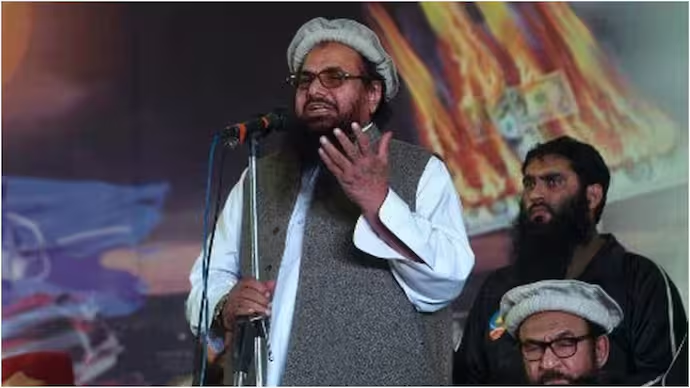
Hafiz Saeed, the founder of the terrorist organization Lashkar-e-Taiba and a key figure behind the 2008 Mumbai attacks, has long been a subject of international scrutiny. Following the issuance of a non-bailable warrant against him, questions have arisen about the possibility of his extradition to India. The legal framework surrounding his arrest and potential extradition is complex, involving both domestic laws and international treaties. The arrest of such a high-profile individual would not only have significant implications for India’s national security but also for its diplomatic relations with Pakistan.
The non-bailable warrant marks a critical step in India’s ongoing efforts to bring Saeed to justice. His activities have not only caused immense suffering in India but have also raised concerns globally regarding terrorism and security. The warrant signals India’s determination to pursue accountability for the 2008 attacks, which resulted in the tragic loss of many lives. However, the path to his arrest and extradition is fraught with challenges. Pakistan, where Saeed is based, has historically been reluctant to take decisive action against him, often citing legal and political reasons for not complying with India’s requests.
In the past, there have been instances where Pakistan has detained Saeed, but these actions were often temporary and did not lead to significant legal consequences. The question remains whether the Pakistani government will cooperate with India this time, especially given the political sensitivities surrounding such a high-profile figure. The international community’s stance on terrorism could play a crucial role in influencing Pakistan’s actions. Nations that are committed to combating terrorism may pressure Pakistan to act, especially if there is a potential for international repercussions.
As the situation unfolds, it will be essential to monitor the developments closely. The legal proceedings related to the non-bailable warrant will likely draw attention from various stakeholders, including human rights organizations, legal experts, and international observers. Ultimately, the outcome of this case could set a precedent for how nations handle similar situations involving terrorism suspects. Whether Hafiz Saeed will ever be extradited to India remains uncertain, but the current developments indicate a renewed focus on holding him accountable for his actions.