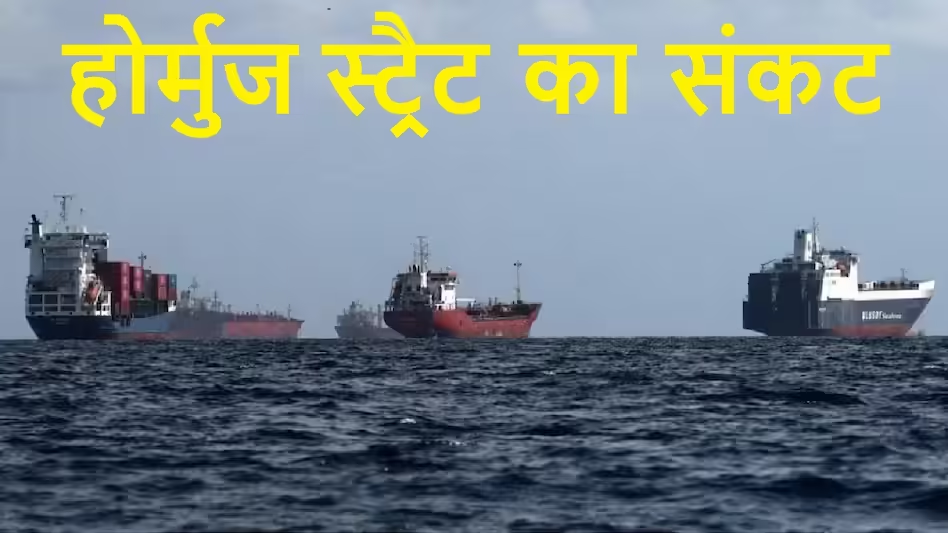
The Strait of Hormuz, a crucial maritime passage for global oil shipments, has become a site of significant economic contention. Recent reports indicate that the passage of Indian ships through this vital waterway is subject to exorbitant fees, amounting to millions of dollars. This situation has sparked concerns not only about the economic burden on shipping companies but also about the broader implications for international trade and energy security.
The Strait of Hormuz connects the Persian Gulf to the Gulf of Oman and is a strategic chokepoint through which a significant portion of the world’s oil supply transits. With tensions escalating in the region, the costs associated with navigating this narrow waterway have surged, leading to a costly game of traffic. Indian shipping companies, which rely on this route for transporting goods and energy resources, are particularly affected, facing steep charges that could impact their operational viability and competitiveness in the global market.
As these fees continue to rise, there is growing pressure on governments and international organizations to address the situation. The high costs associated with passing through the Strait of Hormuz could deter shipping activities and lead to increased prices for consumers worldwide. Moreover, the potential for conflict in the region poses a risk to the safety of maritime navigation, further complicating the already challenging dynamics of global trade. The situation calls for a concerted effort to ensure safe passage and equitable shipping practices, highlighting the interconnectedness of geopolitical stability and economic prosperity.