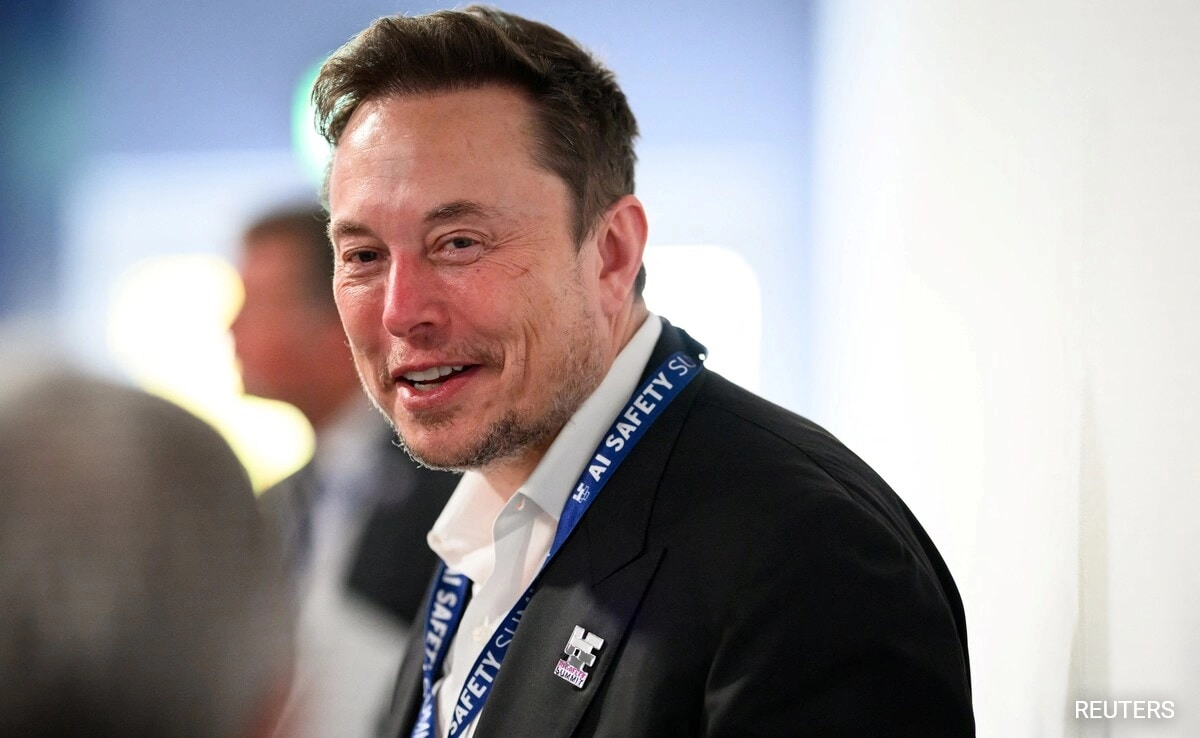
Elon Musk, the billionaire entrepreneur and CEO of companies like Tesla and SpaceX, is facing a significant legal challenge related to his disclosure of his stake in Twitter. A federal judge has ruled that Musk must face a fraud lawsuit stemming from allegations that he failed to adequately inform the public about his investments in the social media platform. This case highlights the complex intersection of corporate governance, securities law, and social media influence, particularly with Musk’s high-profile status and the significant impact of his actions on financial markets.
The lawsuit asserts that Musk’s delay in disclosing his stake in Twitter, which he acquired in early 2022, misled investors and artificially inflated the company’s stock prices. According to the complaint, Musk’s failure to file the necessary paperwork with the Securities and Exchange Commission (SEC) within the mandated timeframe resulted in substantial financial losses for those who invested in Twitter during that period. The plaintiffs argue that Musk’s actions were not merely oversight but a deliberate move to manipulate the market to his advantage, raising serious questions about accountability and ethical conduct among high-profile investors.
Musk’s defense is likely to focus on the interpretation of SEC regulations and whether his actions truly constituted fraudulent behavior. The outcome of this case could have far-reaching implications not just for Musk, but also for how public figures communicate their financial dealings in the age of social media. As a prominent figure with millions of followers, Musk’s tweets and public statements can significantly sway market sentiments, making the stakes of this lawsuit particularly high. The court’s decision will likely set important precedents regarding transparency and disclosure in financial markets, especially for influential individuals who wield substantial power over public companies.
In the broader context, this case underscores the importance of regulatory frameworks designed to protect investors and maintain market integrity. As technology and social media continue to evolve, regulatory bodies may need to adapt to ensure that the playing field remains fair and transparent for all investors, regardless of their status or influence. The outcome of Musk’s trial could prompt regulators to reexamine existing laws and consider new measures to prevent similar situations in the future, thereby influencing how corporate disclosures are managed in an increasingly digital world.