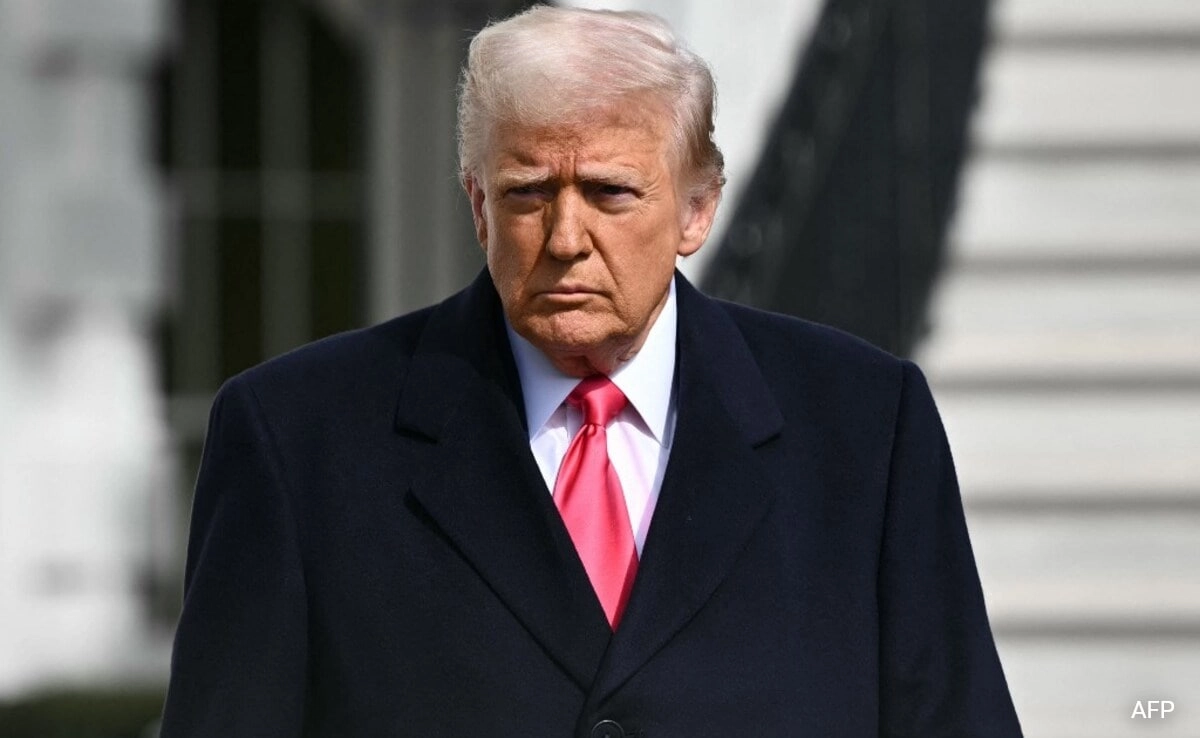
In response to the recent tariff threats issued by former President Donald Trump, China has firmly stated that it will not succumb to external pressure. The Chinese government remains resolute in its stance against what it perceives as unfair trade practices, asserting that it will continue to protect its economic interests. This declaration comes amidst heightened tensions between the two nations, particularly in the realm of trade, where tariffs have become a pivotal point of contention. China’s refusal to yield to these threats underscores its commitment to maintaining its sovereignty and economic stability, even in the face of potential escalations.
Beijing’s reaction highlights the broader implications of such tariff measures, which are often seen as tools of economic coercion. The Chinese leadership is aware that these tariffs could significantly impact its export-driven economy, particularly in sectors that rely heavily on American markets. However, China’s response signals a determination to resist what it considers bullying tactics, emphasizing that it will seek alternative avenues to bolster its economy rather than capitulate to external demands. This position reflects a growing sense of nationalism and self-reliance among Chinese policymakers, who are increasingly focused on strengthening domestic industries and reducing dependency on foreign markets.
Furthermore, the ongoing trade tensions are not just a bilateral issue but have global ramifications. As the world’s second-largest economy, China’s trade policies and responses to tariffs can influence international markets and supply chains. The uncertainty surrounding U.S.-China trade relations has already led to volatility in global markets, affecting businesses and consumers alike. In this context, China’s refusal to bend to Trump’s tariff threats may serve as a rallying point for other nations that are also wary of unilateral trade actions. As the situation unfolds, it remains to be seen how both countries will navigate this complex landscape, but China’s stance indicates a willingness to stand firm in defense of its economic interests.