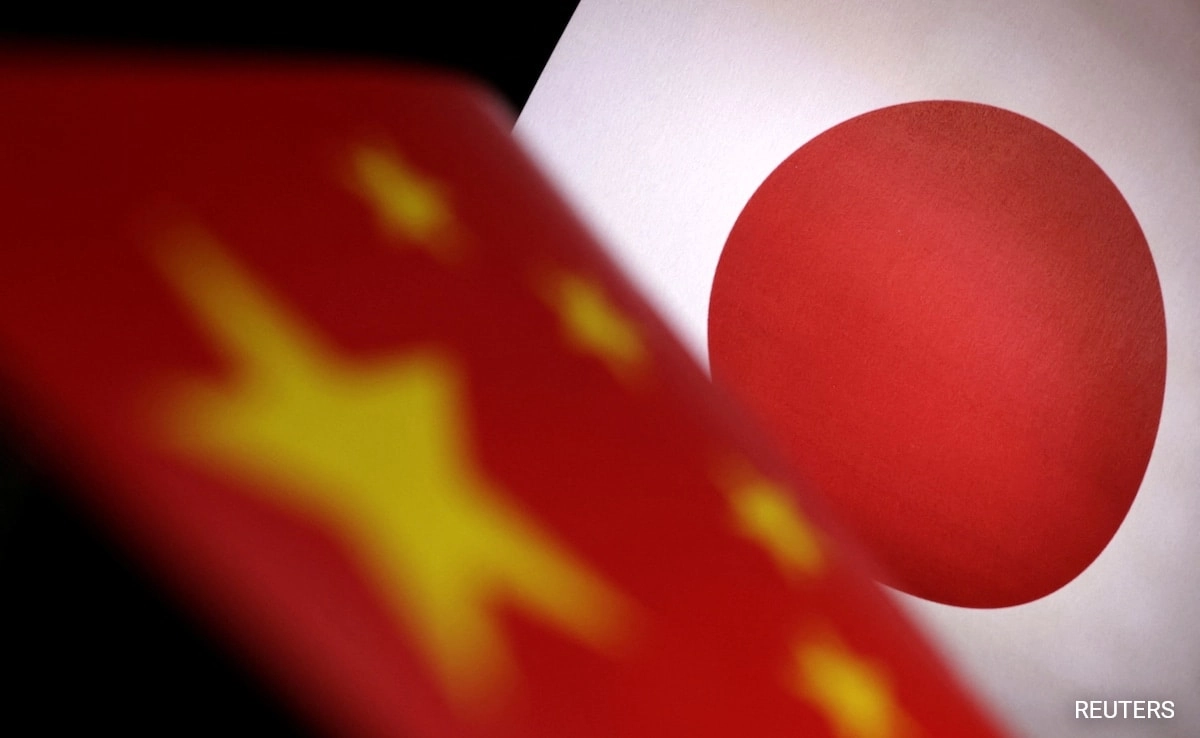
In a significant development for international trade and diplomatic relations, China has lifted its two-year ban on seafood imports from Japan. This decision marks a notable shift in the dynamics between the two countries, which have a complex history influenced by economic, political, and environmental factors. The ban was initially implemented in 2021 as a response to concerns regarding the safety of Japanese seafood in the wake of the Fukushima nuclear disaster. Since then, the ban has not only affected the seafood industry in Japan but also strained diplomatic relations, particularly in the context of trade partnerships and regional cooperation.
The lifting of the ban comes at a time when Japan has been actively working to rebuild its economy and strengthen its export markets. The Japanese seafood industry, which is renowned for its quality and variety, has faced significant challenges due to the restrictions imposed by China, one of its largest trading partners. With the ban now lifted, Japanese seafood exporters are optimistic about re-establishing their presence in the Chinese market, which is crucial for their recovery and growth. This development is expected to enhance mutual trade, improve economic ties, and foster a spirit of cooperation between the two nations.
Moreover, the decision to lift the ban is also seen as a positive step toward easing tensions in the region. The relationship between China and Japan has been historically fraught with issues, including territorial disputes and differing perspectives on historical events. By resuming seafood imports, both countries may be signaling a willingness to engage in dialogue and work towards resolving outstanding issues. This move could open the door for further negotiations on trade, environmental concerns, and other areas of mutual interest, ultimately contributing to a more stable and cooperative regional environment.
In conclusion, China’s lifting of the seafood import ban from Japan represents not just a significant economic opportunity for Japanese exporters but also a potential turning point in Sino-Japanese relations. As both nations navigate the complexities of their historical grievances and current geopolitical landscapes, this decision could pave the way for enhanced collaboration and understanding. The implications of this action will likely resonate beyond the seafood industry, impacting broader trade relations and diplomatic engagements in the Asia-Pacific region.