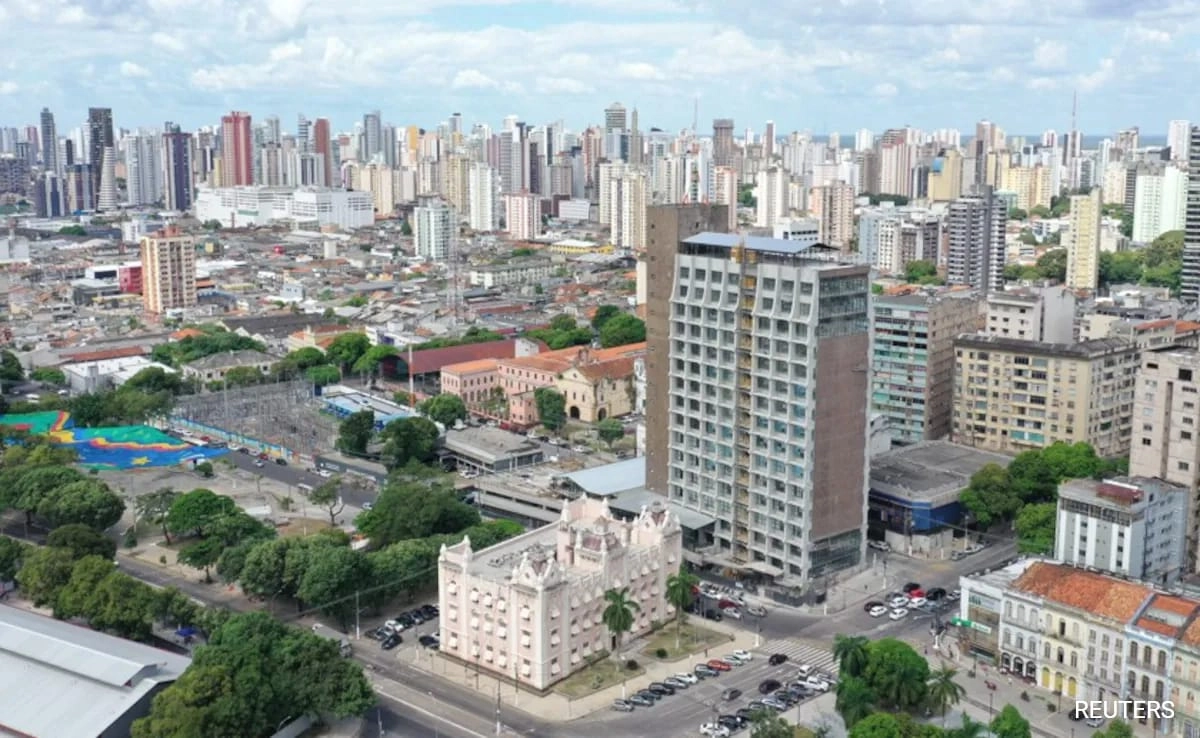
Brazil’s decision to host UN climate talks in one of its poorer cities, such as Belém, reflects a strategic choice aimed at highlighting the country’s diverse socio-economic landscape and its ongoing environmental challenges. By selecting a location that contrasts sharply with the more affluent urban centers, the Brazilian government seeks to draw attention to the urgent realities faced by many communities in the country. These areas often bear the brunt of climate change impacts, including deforestation, rising sea levels, and extreme weather events. This choice underscores the notion that climate change is not just a distant threat, but a pressing issue that affects the most vulnerable populations.
Moreover, holding the talks in a less affluent city allows for a more inclusive dialogue that brings local voices to the forefront. Engaging with grassroots organizations and local leaders provides a platform for those who are often marginalized in global discussions. This inclusion is crucial for crafting solutions that are equitable and effective. It demonstrates a commitment to ensuring that climate policies address the needs of all citizens, particularly those who are disproportionately affected by environmental degradation. By doing so, Brazil aims to foster a sense of ownership over climate action among local communities, empowering them to be active participants in the decision-making processes that will shape their futures.
Additionally, the choice of venue serves to spotlight the rich biodiversity and unique ecosystems of the Amazon region, which are crucial to both Brazil and the planet’s ecological health. By bringing global attention to areas that are at risk due to climate change and deforestation, Brazil emphasizes the importance of preserving its natural heritage. This strategic move not only serves to enhance Brazil’s international standing but also reinforces its role as a leader in environmental stewardship. The climate talks can thus be seen as an opportunity for Brazil to advocate for global cooperation in combating climate change, while also addressing local needs and fostering sustainable development in its poorer communities. In this way, the event aims to bridge the gap between local realities and global climate policies, ensuring that the voices of the marginalized are heard and considered in the fight against climate change.