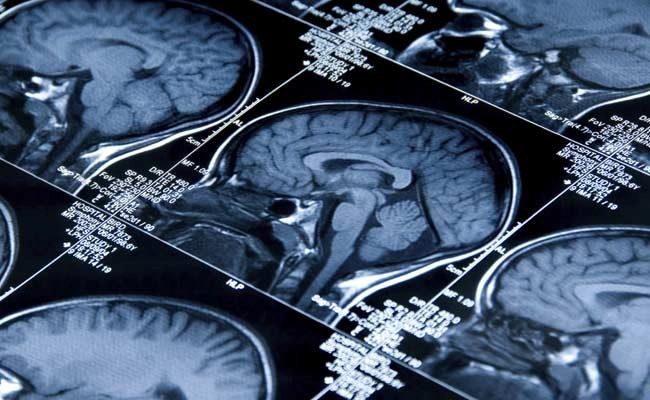
Recent research has uncovered alarming evidence indicating that a plastic spoon’s worth of plastic particles may be found within the human brain. This discovery raises significant concerns regarding the long-term effects of microplastics, which are tiny plastic fragments that result from the breakdown of larger plastic items. Microplastics have become ubiquitous in our environment, contaminating air, water, and food sources. The study suggests that these particles can infiltrate the brain through various pathways, potentially leading to neurological issues and other health complications. As our reliance on plastic continues, understanding the implications of microplastic accumulation in the human body is crucial. Further research is needed to explore the extent of this contamination and its potential impacts on cognitive function and overall health. This finding highlights the urgent need for increased awareness and action towards reducing plastic pollution in our ecosystems and protecting human health.
Recent research has uncovered alarming evidence indicating that a plastic spoon’s worth of plastic particles may be found within the human brain