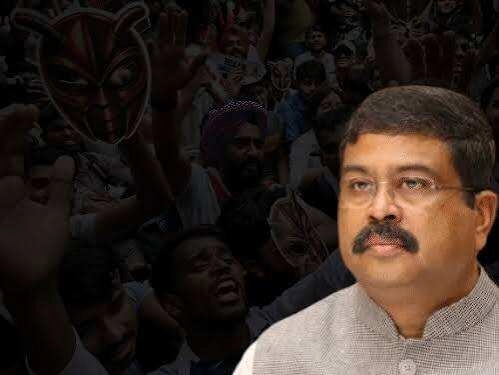
After 36 days of student protests, the government has finally yielded to the demands of the demonstrators. The movement, which garnered widespread attention and support, saw students advocating for their rights and addressing various issues that have long been overlooked. The protests were marked by significant mobilization and unity among students, which ultimately led to the government’s decision to reassess its stance.
In a significant development, the resignation of Union Minister Dharmendra Pradhan was highlighted in an international media report as a historic turning point in the ongoing situation. This unexpected resignation came as a result of the mounting pressure from the student body, which had been vocal about their grievances and demands for change. The international media’s coverage of this event underscores the global implications of domestic protests and the power of collective action among youth.
The student movement has not only captured national attention but has also resonated with similar movements around the world, emphasizing the importance of activism in challenging governmental policies. As the government begins to respond to the students’ demands, this moment may serve as a catalyst for further changes in policy and governance, encouraging other marginalized groups to voice their concerns. The developments in this situation will be closely monitored as they could have lasting impacts on the political landscape and the relationship between the government and its citizens.