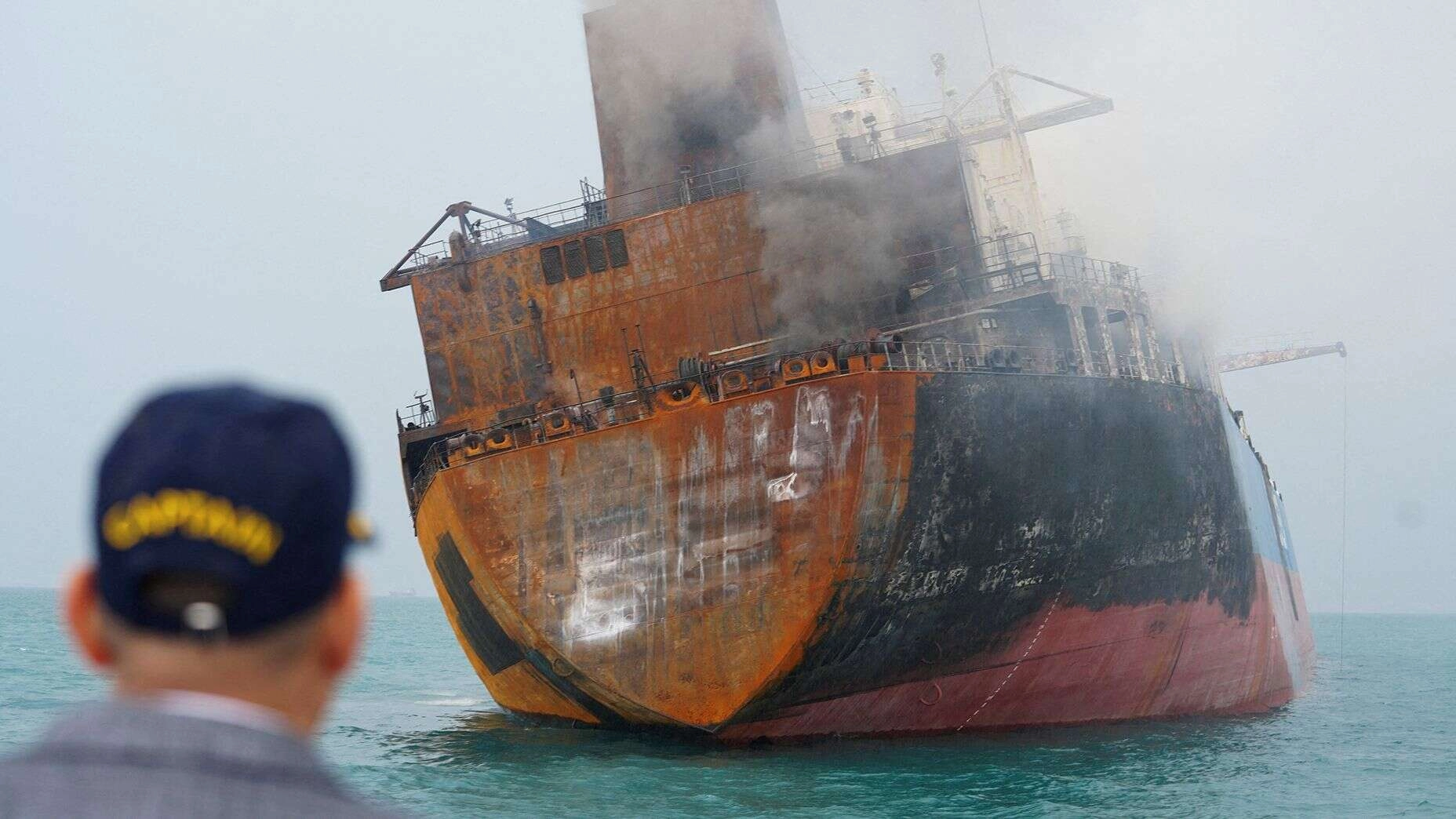
The situation in the Hormuz Strait has escalated to a critical level, with the lives of around 20,000 sailors hanging in the balance. These individuals, who are caught in a tense geopolitical environment, are expressing their desperation through poignant pleas for help. They are not only facing the immediate threat of violence from bombings but are also grappling with the dire consequences of starvation. The strait, a vital artery for global oil transport, has become a hotspot for conflict, leading to heightened tensions among nations.
The sailors, trapped in this volatile region, are enduring unimaginable conditions. The constant threat of bomb attacks looms over them, creating an atmosphere of fear and uncertainty. Many of these individuals are struggling to secure basic necessities, including food and water, which adds to their plight. Their calls for rescue reflect a deep-seated desire to survive and return to their families, highlighting the human cost of geopolitical conflicts.
As the situation continues to deteriorate, international attention is urgently needed to address the humanitarian crisis unfolding in the Hormuz Strait. The global community must come together to find a solution that not only ensures the safety of these sailors but also works towards reducing tensions in the region. It is crucial to recognize the humanity of those affected and to take action to prevent further loss of life. The plea of the sailors, “We do not want to die, save us,” serves as a stark reminder of the real-life consequences of political strife and the urgent need for intervention.