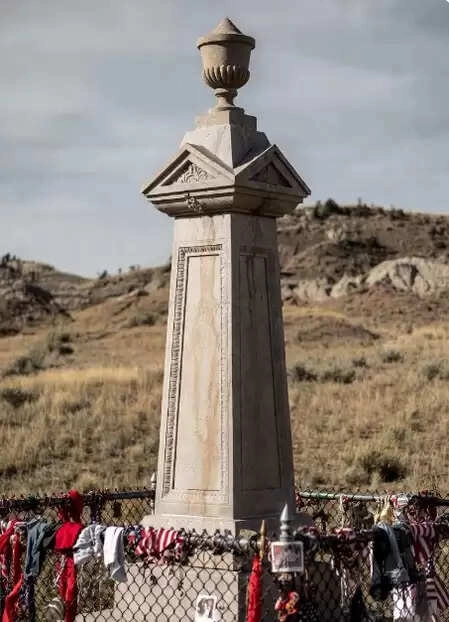
The Wounded Knee Massacre, which took place in December 1890, marked a significant turning point in the history of the Native American struggle for rights and recognition. This tragic event occurred when U.S. Army troops, aiming to disarm a group of Lakota Sioux, opened fire on the unarmed Indigenous people, resulting in the deaths of hundreds, including women and children. The massacre not only represented a brutal confrontation but also symbolized the culmination of decades of violent policies against Native Americans, whose lands and cultures were systematically undermined by colonial expansion.
In the aftermath of the Wounded Knee Massacre, the Native American community faced an existential crisis. With the brutal reality of their situation laid bare, many Indigenous leaders began to reconsider their strategies for resistance. The traditional methods of armed resistance, which had characterized earlier conflicts, were increasingly seen as futile against the overwhelming military might of the United States. This led to a shift in tactics among Native communities, who began to explore more organized forms of protest, focusing on legal and political avenues to assert their rights.
The massacre also had profound psychological effects on Native American communities, instilling a sense of despair and loss. However, it also ignited a renewed sense of identity and purpose among many Indigenous people, prompting a resurgence of cultural pride and community solidarity. The event has since been commemorated and remembered as a pivotal moment in the ongoing struggle for Native American rights, serving as a reminder of the resilience and strength of Indigenous peoples in the face of systemic oppression.
Ultimately, the Wounded Knee Massacre serves not only as a historical event but as a catalyst for change, influencing generations of Native activists and leaders. It underscored the urgent need for justice and recognition, paving the way for future movements aimed at reclaiming Indigenous sovereignty and rights. The legacy of Wounded Knee continues to resonate today, reminding us of the importance of acknowledging the past while striving for a more equitable future for all.