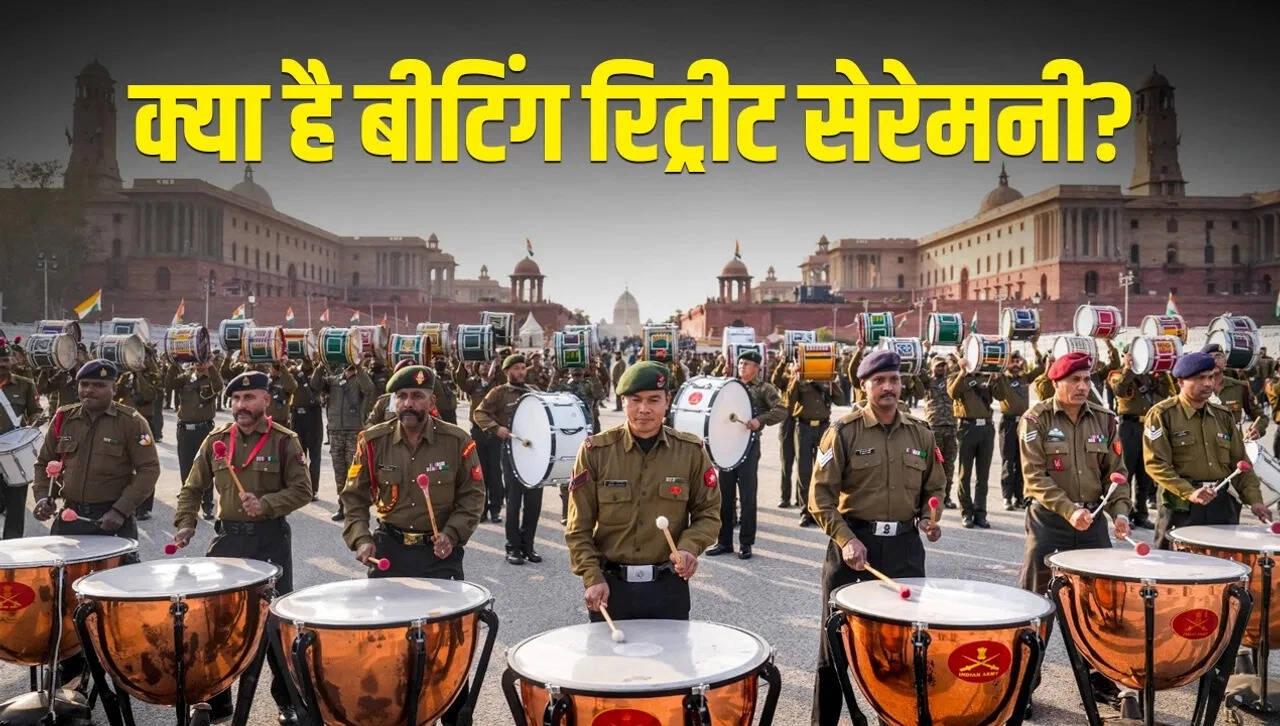
The Beating Retreat ceremony holds significant importance in India’s Republic Day celebrations, symbolizing the culmination of the Republic Day festivities. Traditionally held on January 29th, this ceremony features the Indian Army, Navy, and Air Force bands performing a series of musical pieces, creating an atmosphere of patriotism and unity. The event takes place at Vijay Chowk in New Delhi, where the President of India, along with other dignitaries, witness the display of military prowess and musical talent. The ceremonial retreat signifies the end of the ceremonial events following the Republic Day parade, marking a transition from the grandeur of celebration to a more solemn reflection on the sacrifices made for the nation’s freedom.
The origins of the Beating Retreat date back to historical military practices, where it signified the end of the day’s hostilities and the call for soldiers to return to their camps. In the context of India, this tradition was adopted during the colonial era and has since evolved into a symbol of national pride. The ceremony includes performances of various patriotic songs and military tunes, with the bands donning their ceremonial uniforms, creating a visual and auditory spectacle that captivates both attendees and viewers across the nation.
Without the Beating Retreat, the Republic Day celebrations would feel incomplete, as it encapsulates the spirit of unity, discipline, and homage to those who have served the nation. This ceremony not only showcases the rich cultural heritage of India but also reinforces the values of honor and respect towards the armed forces. As the national flags are lowered and the bands play the final notes, it serves as a poignant reminder of the sacrifices made for the country’s sovereignty and the importance of maintaining peace and harmony. Thus, the Beating Retreat is not just a ceremonial event; it is a vital part of India’s identity and a cherished tradition that resonates with the citizens’ love for their nation.