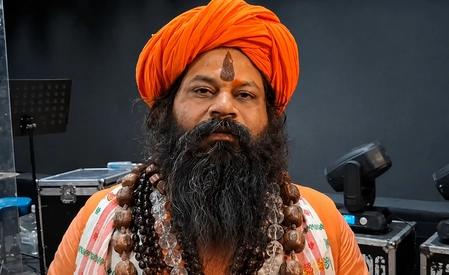
The question of why Muslims in India sometimes appear to support invaders or external forces has been a topic of significant debate and discussion. Mahant Rajudas, a prominent figure, sheds light on this complex issue. Historically, the relationship between different communities in India has been shaped by various socio-political factors, including colonial legacies, cultural exchanges, and communal tensions.
The perception of Muslims aligning with invaders can often stem from historical narratives that highlight conflicts and alliances during different periods. These narratives may overlook the nuanced realities of individual motivations and the diverse perspectives within the Muslim community itself. It is essential to recognize that Muslims in India, like any other community, are not monolithic in their beliefs or actions. Many have contributed to the nation’s cultural fabric, resisting oppression and advocating for justice throughout history.
Furthermore, it is crucial to analyze the socio-economic conditions that may lead to a sense of disenchantment among certain groups. Marginalization, lack of representation, and socio-political exclusion can create an environment where some individuals may feel compelled to align with external forces in search of support or recognition. Understanding these dynamics requires a comprehensive approach that goes beyond simplistic interpretations of loyalty or betrayal.
In conclusion, the question of why some Muslims in India may seem to support invaders is deeply rooted in historical context, socio-economic factors, and individual motivations. Engaging in an open dialogue that recognizes the diversity within the community and the complexities of historical narratives is vital for fostering mutual understanding and coexistence in a pluralistic society.