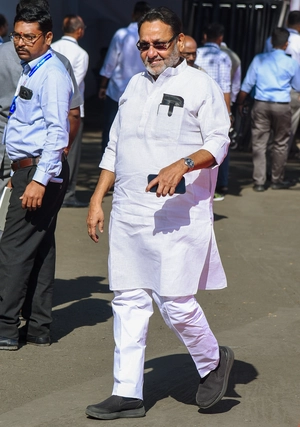
The announcement for the West Bengal elections has created a buzz in the political landscape, as the voting is scheduled to take place in two phases on April 23 and April 29. This highly anticipated electoral exercise will determine the future governance of the state, which has been a focal point of political rivalry and contestation in recent years. The election will see various political parties vying for power, each presenting their vision and strategies to address the challenges faced by the state.
West Bengal has a rich political history and the upcoming elections are expected to be fiercely contested. The ruling party will be keen to retain its position, while the opposition is determined to unseat them. Voter turnout is expected to be significant, reflecting the citizens’ engagement and their desire for change or continuity in leadership. The stakes are high, and various factors, including local issues, party alliances, and the influence of national politics, will play a critical role in shaping the outcome.
As the election dates approach, political campaigns are expected to intensify, with parties mobilizing their resources to connect with voters. Candidates will be addressing key issues such as employment, education, healthcare, and infrastructure development, which resonate deeply with the electorate. The results of this election will not only have implications for West Bengal but could also influence the broader political dynamics in India, making it a significant event for analysts and political observers alike. Ultimately, the question remains: which party will emerge victorious and form the next government in West Bengal?