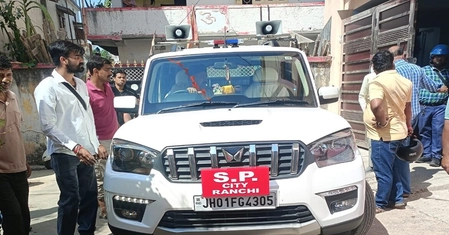
In Ranchi, a violent clash erupted between two groups of youth, leading to widespread panic and chaos in the area. The confrontation escalated quickly, with reports of stone-pelting and gunfire that created an atmosphere of fear among the residents. Witnesses described scenes of turmoil, as the two factions engaged in aggressive confrontations, expressing their grievances through violent means rather than dialogue.
The local authorities were caught off guard by the intensity of the situation. Police forces were deployed to restore order, but the violence had already sent shockwaves through the community. The sound of gunshots echoed through the streets, prompting many to flee their homes in search of safety. This incident not only disrupted daily life but also raised serious concerns about the rising tensions among youth in the region, highlighting the urgent need for conflict resolution and community engagement initiatives.
As the situation unfolded, it became clear that underlying issues, perhaps related to social or economic factors, were fueling these confrontations. Both sides seemed unwilling to back down, leading to a cycle of retaliation that could have long-term repercussions for community relations. Local leaders and activists emphasized the importance of addressing these root causes to prevent future incidents, advocating for peaceful dialogue and cooperation among the youth to foster a more harmonious environment. The incident in Ranchi serves as a stark reminder of the potential for violence in communities when grievances are not addressed constructively.