The tensions between the United States and Iran have escalated significantly, particularly in the context of proposed peace talks in Pakistan. As diplomatic efforts are being made to address the ongoing conflicts, the situation remains fraught with uncertainty and challenges. The backdrop of these discussions is marked by a series of provocative statements and actions from both sides, which have only served to intensify the existing strains.
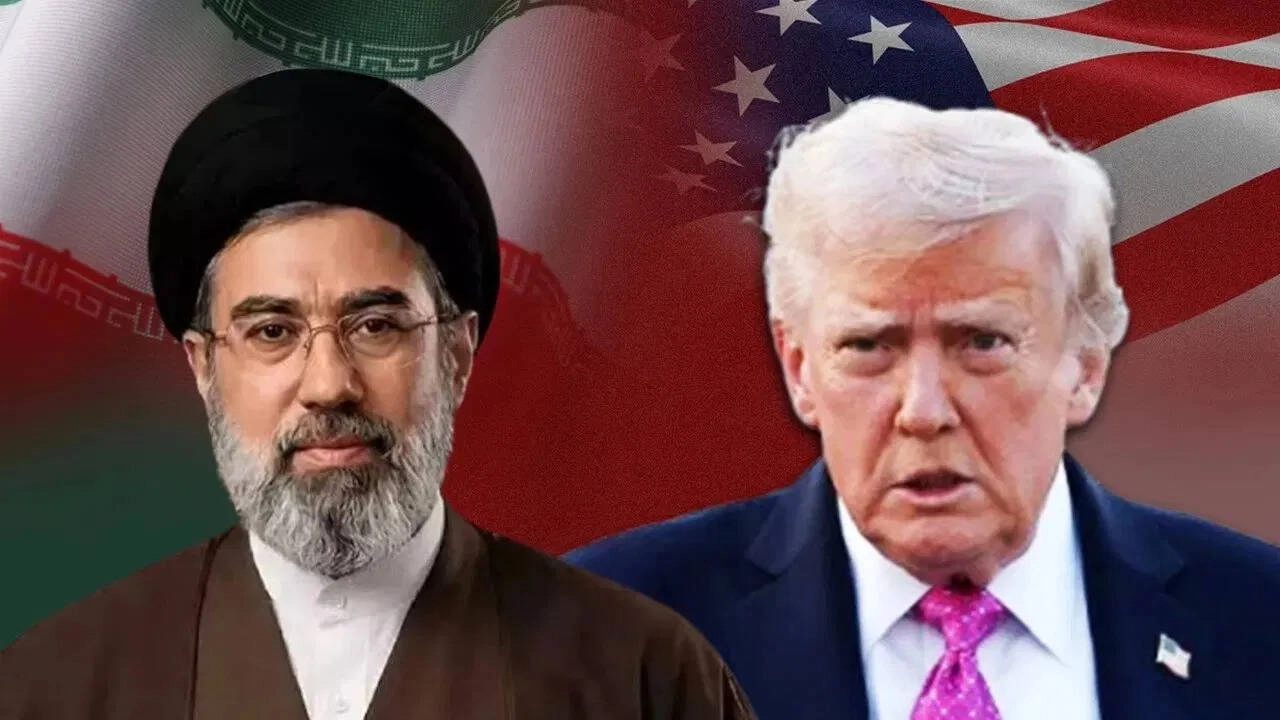
A notable factor contributing to the rising tension is a recent video in which former President Donald Trump issued a stern warning regarding Iran’s activities. Trump’s remarks have resonated strongly within the political landscape, stirring fears of potential military confrontations and further destabilizing the already fragile relations between the two nations. His statements have not only drawn attention domestically but have also attracted international scrutiny, as allies and adversaries alike assess the implications of such rhetoric on global peace and security.
As the proposed peace talks in Pakistan loom on the horizon, the diplomatic stalemate appears to be a significant hurdle. While the intention to engage in dialogue is a positive step, the underlying mistrust and animosity that characterize U.S.-Iran relations pose formidable obstacles. Both nations must navigate a complex web of historical grievances, regional power dynamics, and public sentiment to find common ground. The success of these negotiations will depend on the willingness of both parties to engage constructively, set aside past grievances, and prioritize the pursuit of lasting peace in the region.
The coming weeks will be crucial, as the international community watches closely to see whether these peace talks can pave the way for a de-escalation of tensions. The stakes are high, not only for the United States and Iran but also for the broader Middle Eastern region, which has been significantly impacted by these rivalries. The outcome of this diplomatic initiative could fundamentally alter the geopolitical landscape and influence future interactions between major powers in the area.