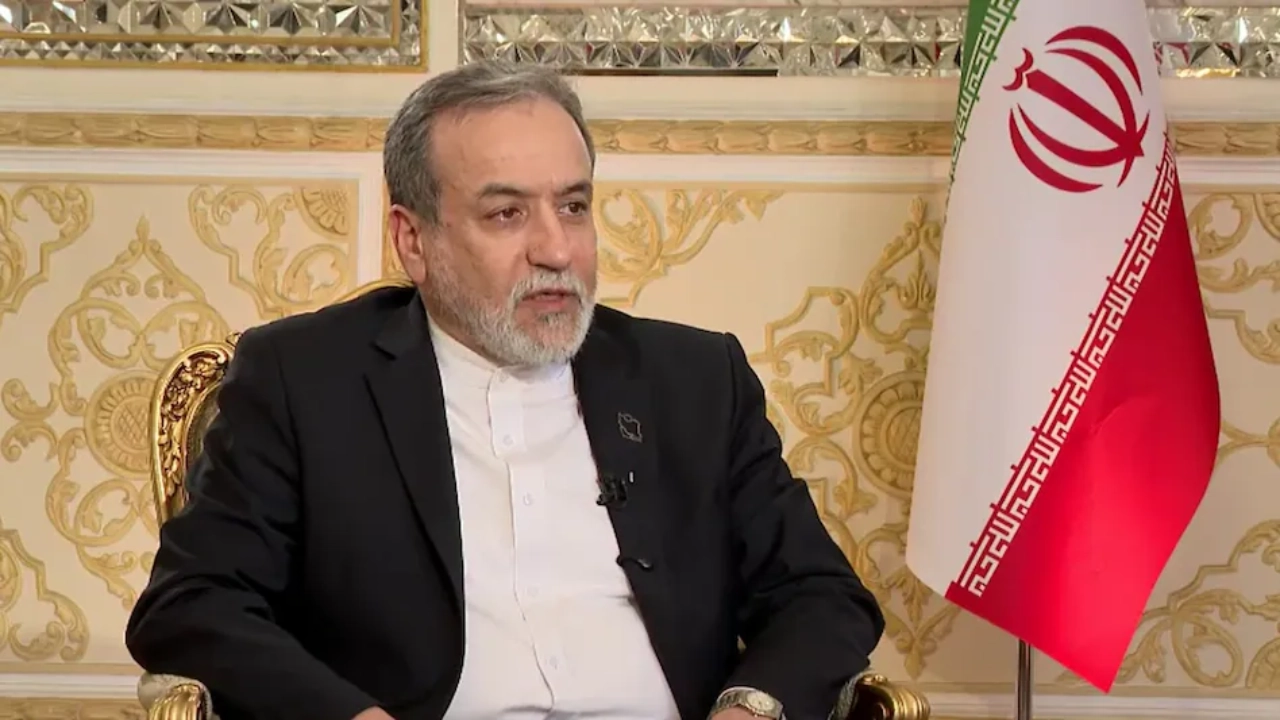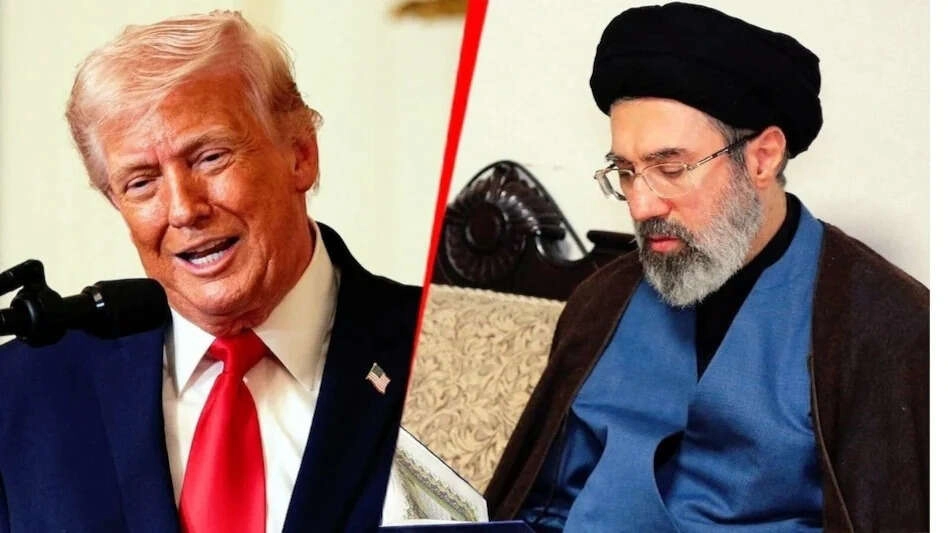
Tensions between the United States and Iran have escalated recently, particularly following the announcement of a list of 15 conditions put forth by the U.S. government. These demands, believed to be linked to the broader context of nuclear negotiations and regional security, have raised significant concerns and sparked intense discussions among international observers and political analysts. The conditions reportedly include measures aimed at curbing Iran’s nuclear program, limiting its ballistic missile capabilities, and addressing its influence in the Middle East.
Former President Donald Trump’s administration had previously adopted a hardline approach towards Iran, which has continued to shape the current administration’s negotiations. Trump’s demands were characterized by their stringent nature, aiming to ensure that Iran would not only halt its nuclear ambitions but also take steps to rein in its activities that the U.S. considers destabilizing in the region. This includes curtailing support for proxy groups and militias across several countries, which Washington accuses Iran of using to exert its influence.
The emergence of these conditions has led to increased anxiety among both Iranian officials and the global community, as they reflect a potentially rigid framework for negotiations. Iran has historically been resistant to external pressures and has insisted on its right to pursue its nuclear program for peaceful purposes. The U.S. demands could complicate diplomatic efforts, as they may be perceived as an ultimatum rather than a basis for constructive dialogue. As the situation unfolds, it remains to be seen how both sides will navigate these demands and whether a diplomatic resolution can be achieved without further escalating tensions in the region.